Recurrent shoulder dislocation and instability in Athens
Recurrent Shoulder Dislocation – Instability & Modern Surgical Solutions
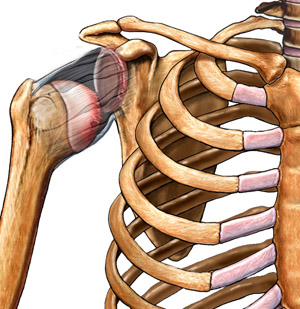
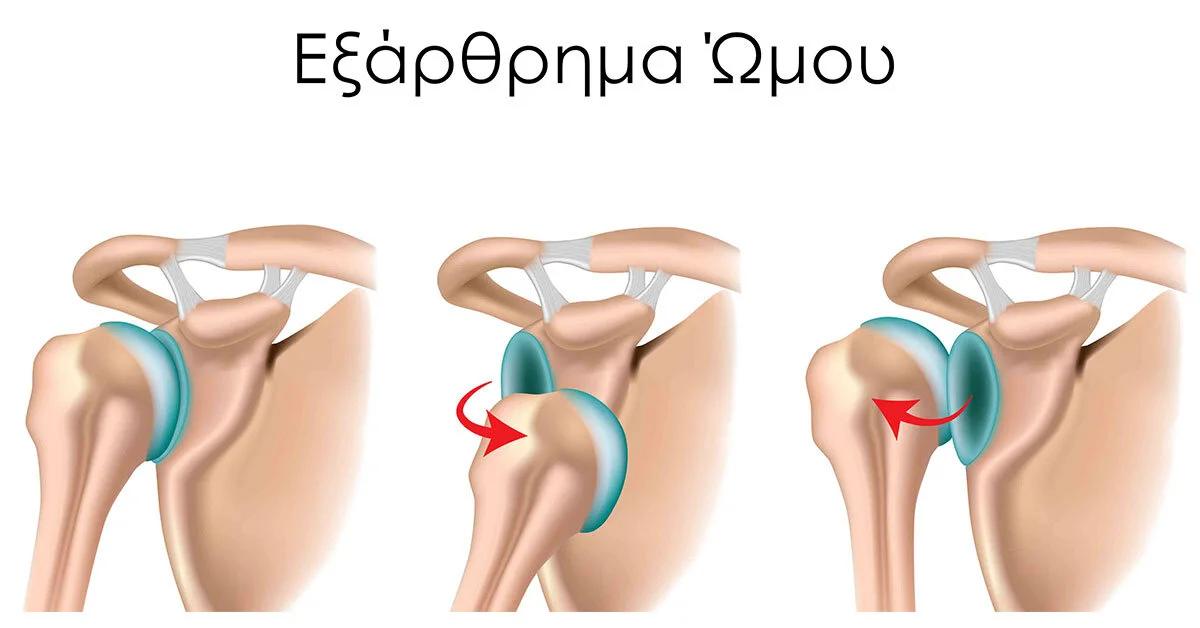
Recurrent shoulder dislocation is a condition of instability of the shoulder joint that occurs after repeated dislocations. Recurrent shoulder dislocation is the repeated displacement of the humeral head from the glenoid cavity, usually after an initial injury. The instability affects young people, contact athletes, and individuals with loose ligaments, causing pain, a “give-away” feeling in the joint, and limitation of activity.
When is surgery recommended?
Recurrent episodes of dislocation or subluxation
High risk of recurrence (contact/throwing sports)
Failure of conservative treatment & physical therapy
Bone/cartilage damage that reduces stability
The goal of surgery is to restore stability and reduce recurrences , with a safe return to daily activities and/or sports.
Bankart Repair (Arthroscopic or Open)
Bankart repair repairs tears of the labrum and ligaments in the anterior/posterior glenoid cavity.
Arthroscopic : suture anchors are placed through small incisions to reattach the labrum.
Open : recommended for extensive lesions or in patients with a very high risk of recurrence.
Ideal for : instability without large bone deficits.
Filling Technique
After a dislocation, a Hill–Sachs defect (imprint) can develop in the humeral head, which “locks” into the glenoid cavity and causes a new dislocation.
Remplissage “fills” the defect by immobilizing the posterior capsule/rotator cuff within the impression.
It is done arthroscopically.
Often combined with Bankart repair
Significantly reduces relapses in engaging Hill–Sachs
Latarjet Technique (Coracoideus Transfer)
In recurrent dislocations, there may be a bone defect in the anterior glenoid fossa. The Latarjet transfers part of the coracoid process with the attaching muscles into the anterior glenoid fossa:
Creates a bone block that increases the depth/width of the socket
Provides dynamic stabilization from the coracobrachiocephalic mechanism
It is indicated for large bone defects or failure of previous surgeries.
Other Bone Grafts
In very large glenoid defects, autografts (e.g. from the iliac crest) or bone/cartilage allografts can be used to reconstruct the anterior glenoid.
Rehabilitation & Return to Activity
Immobilization in a splint in the first few weeks
Gradual physical therapy: range of motion → rotator cuff/scapular strengthening
Return to sports activities: individualized, usually after 3–6 months depending on technique and progress
Why choose us?
- Specialization in shoulder arthroscopy and comprehensive treatment of instability
- Fast-track protocols with an emphasis on safe, rapid return
- Use of Bankart, Remplissage, Latarjet techniques depending on the indication
When the shoulder repeatedly feels as though it may slip
Repeated dislocation, or the fear that the shoulder may move out of place, can affect much more than sport. One person avoids raising an arm; another struggles at work or does not trust the joint during an ordinary movement. An instability assessment needs to establish what happens, which structures are affected and which choices fit the circumstances. Counting episodes alone is insufficient. Their triggers, daily demands and previous treatment all matter. This picture provides the basis for discussing nonsurgical care or a stabilisation operation. A useful plan should connect the findings with the activities you want to perform more confidently.
A new dislocation differs from a planned instability review
A scheduled consultation about recurrent problems is different from a new episode involving a possible dislocation. A shoulder that looks deformed after injury, severe pain or inability to move the arm needs urgent medical assessment. Do not try to put the shoulder back yourself or ask an untrained person to do so. For a chronic instability review, bring records of earlier emergency visits and any investigations performed after reduction. Safe treatment of the acute event and planning for future instability are related but distinct stages of care. The information on this page supports preparation for consultation rather than self-treatment of a newly injured shoulder.
Build a short history of instability episodes
Note when the first episode happened and the circumstances involved. Explain whether reduction was needed in hospital, whether smaller slipping episodes followed and which arm positions now feel insecure. If you remember only an approximate number of episodes, say so rather than trying to give false precision. It matters whether instability occurs only during contact with another athlete or also in ordinary activities. Previous physiotherapy, use of a support and operations should also be recorded. This timeline helps organise assessment and relate current symptoms to the shoulder's course. Include any period in which function improved and explain what activity was possible during that time.
Laxity and traumatic instability are not identical descriptions
A feeling that a joint is loose does not always describe the same underlying problem. Assessment considers injury history, more general joint laxity and shoulder function. A familiar stabilisation procedure is therefore not chosen simply because it helped somebody else. Ask which pattern of instability has been identified and how it affects the discussion. Mention symptoms in the other shoulder or a history of problems in other joints. These details help develop a plan for your own function rather than applying one description to every dislocation. Understanding the pattern also makes it easier to see why the initial treatment recommendation may differ between patients.
Investigating soft tissues and bone
Tissues surrounding the joint and the condition of its bony surfaces may both influence treatment planning. Investigations are requested to answer particular questions and do not replace clinical assessment. Bring images and reports from earlier X-rays, MRI or CT examinations where available. Ask which findings have practical importance for stability. If another investigation is proposed, clarify how its result could change the treatment discussion. Understanding the problem in both soft tissues and bone helps explain why every procedure is not suitable for every shoulder. It also allows the surgeon to describe the reasoning behind a recommendation using your own findings rather than a generic example.
Nonsurgical care needs meaningful reassessment
When treatment without an operation is proposed, understand the programme's objective and how its response will be assessed. Physiotherapy and activity adjustments are designed by the responsible professionals. Explain the movements required at work and in your sport so that instructions can be applied. Inform the team if another slipping episode occurs or the programme is difficult to follow. Do not test extreme positions independently to establish whether the shoulder has become stable. Progress is assessed through examination and actual function within agreed limits. Keep questions about allowed activity for review, especially if daily commitments require a movement you have been advised to restrict.
Compare stabilisation proposals by their purpose
Bankart repair, Remplissage and Latarjet refer to different surgical approaches and may have different roles in a treatment discussion. Their main features are outlined above. At your consultation, ask for each proposal to be connected to your findings: what problem it addresses, which tissues are involved and why it is considered appropriate. You do not need to choose a technique from an online comparison list. You need to understand the reasoning, alternatives and uncertainties. If procedures are combined, request an explanation of the whole operation, because rehabilitation follows what is actually performed. This makes comparisons between proposals more useful than comparing technique names alone.
Arthroscopic and open approaches: what matters in the discussion
Arthroscopy describes a way of accessing and working inside a joint, while the operation is defined by the problem being treated. Incision size alone does not establish outcome or return-to-activity time. Ask why a particular approach is proposed, what could change during the operation and which requirements remain afterwards. If you have already had stabilisation surgery, bring the operation note and information about materials where available. Assessment after a previous operation needs to account for what was done and how function developed. A clear explanation should link the proposed approach to those findings and to the practical rehabilitation plan.
Plan for the first practical needs after surgery
Before finalising a surgical decision, discuss transport and who can help at home. Use of a sling or other protection should be explained practically, together with permitted movements. Think about dressing, personal care, carrying objects and responsibilities for other people. Tell the team if the affected arm is the one you use most. Request written instructions and contact details for questions. Organisation does not replace treatment, but helps you follow instructions without improvising when you return home or encounter a daily difficulty. Raise concerns about living alone, work commitments or support arrangements early enough for them to be considered in planning.
Rehabilitation uses progressive functional goals
Postoperative care involves personal instructions for protection and progressive activity. Feeling that the shoulder is more stable does not mean every movement is immediately permitted. Physiotherapy and review appointments help distinguish goals for movement, strength and control. Ask what needs to be achieved before loading increases and how the physiotherapist will receive information about the operation. General time ranges do not automatically determine an individual's return. Following the programme and reporting difficulties promptly provide useful information for decisions by the responsible team. If instructions appear inconsistent, seek clarification rather than combining parts of different programmes or adopting another patient's schedule.
Contact sport, throwing and demanding work
Each activity needs its own practical return criteria. Contact during a match, throwing a ball and working with loads above shoulder height are not equivalent demands. Explain the intended goal at the first assessment, together with commitments that make time away difficult. A sports medicine assessment connects injury with the particular activity context. A final return decision should not rely only on absence of pain or the date of a competition. Ask for clear guidance and agreed communication between the professionals involved in rehabilitation. Describing the exact movements and level of participation makes the discussion more useful than asking about sport as a single category.
What contributes to shoulder instability treatment costs
A cost estimate should concern the proposed procedure rather than a broad label such as shoulder surgery. Ask about hospital charges, professional fees, anaesthesia, stabilisation materials or grafts where planned, and review appointments. Clarify whether physiotherapy and supports are charged separately. A proposal should reflect any previous operation or combination of procedures being considered. Confirm insurance contributions with your provider. A detailed personal estimate is more useful than a fixed amount that ignores the form of instability and the requirements of the particular operation. It should also make clear which services are included and which practical rehabilitation expenses may fall outside the surgical estimate.
Realistic expectations and continuing follow-up
Every proposal should include discussion of possible risks, limitations and the possibility of further symptoms. Stabilisation is an objective rather than a guarantee that no problem will occur again. Ask how function will be assessed and which symptoms need prompt contact after treatment. If you remain fearful of particular movements, raise that at review rather than ignoring it or testing the shoulder without guidance. Confidence in using the joint can be discussed alongside clinical progress. Your observations are most useful when they describe specific activities and situations that still limit you. Follow-up gives the team an opportunity to consider these difficulties within the agreed care plan.
Arrange a shoulder instability assessment in Athens
Organise a scheduled consultation with Dr. Stavros Alevrogiannis through the contact details. For Metropolitan General, confirm attendance at 264 Mesogeion Avenue, Cholargos. Bring images, earlier reports and your short history of instability episodes. Plan any help with travel or accompaniment when arranging the visit. The appointment provides an opportunity to understand the pattern of instability and discuss care options. It does not imply that a particular technique will be performed, and it does not replace urgent medical assessment of a new acute dislocation. Confirm which documents are needed before travelling, particularly if an earlier operation was performed elsewhere.
General background: AAOS: chronic shoulder instability. Technique selection and return instructions require individual assessment.
Frequently Asked Questions (FAQ)
When is surgery needed for a recurrent shoulder dislocation?
When there are repeated episodes, high risk of relapse or failure of conservative treatment/physical therapy, especially in athletes.
What is Bankart repair?
Arthroscopic or open refixation of the labral cartilage and anterior/posterior glenoid ligaments to restore stability.
When is the Remplissage technique applied?
When there is a Hill–Sachs lesion that is “involved” in the glenoid. The technique fills the bone impression and reduces recurrences, often in conjunction with Bankart.
What is the Latarjet technique?
Transfer of the coracoid process to the anterior glenoid fossa for creation of a bone block and dynamic stabilization in large bone defects.
When do I return to sports?
Return is individualized; often 3–6 months later, depending on the technique and course of physical therapy.
Shoulder instability in everyday life and sports
In recurrent dislocations, it is important to describe when the first episode occurred, what movements cause discomfort, and whether the shoulder limits work or sports. Along with the tests, this information helps to discuss the degree of instability and the appropriate treatment plan.
Shoulder arthroscopy may be included in the discussion of surgical stabilization, when the corresponding indications are present. Not all shoulder pain is the same as dislocation: rotator cuff tear and calcific tendonitis concern different problems. Ask how the rehabilitation is planned and with what criteria you will return to demanding movements.

THE PATIENT IS AT THE CENTER
Collaboration & Support, Our Basic Principles