Arthroscopic hip debridement in Athens

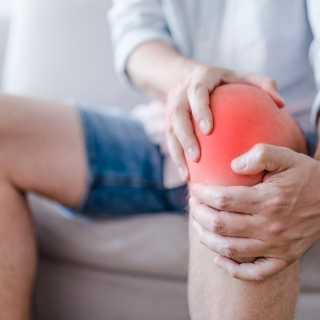
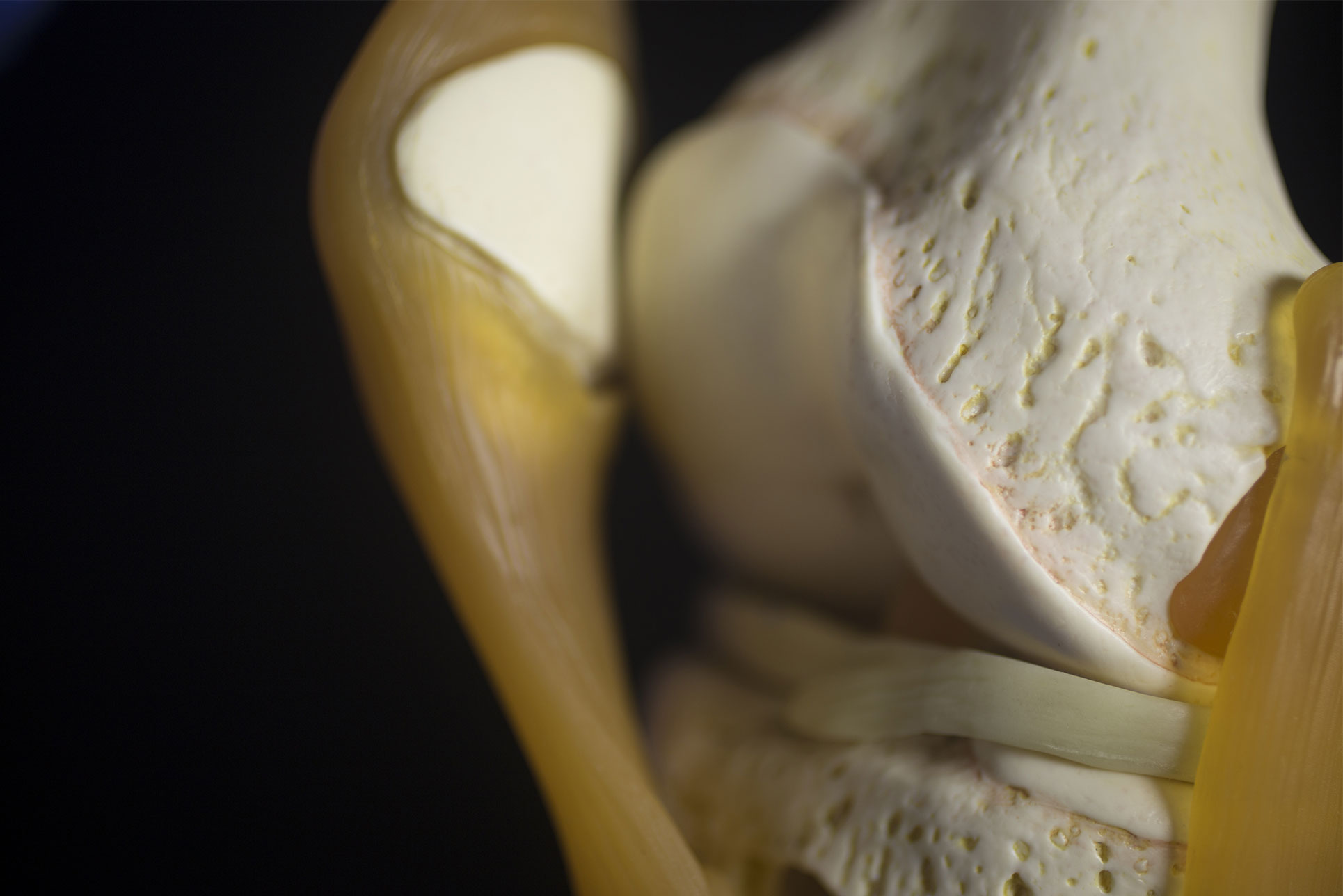
Arthroscopic Hip Cleaning
Arthroscopic hip debridement describes treatment of specific findings within the joint through small access points. It requires a precise diagnosis, an identified objective and discussion of alternatives. It is not proposed as general osteoarthritis treatment and does not guarantee prevention of further joint wear.
When is it appropriate?
Hip cartilage damage (cartilage tears/detachments)
Debris within the joint (loose bodies)
Impaction syndromes (FAI) with mechanical irritation
Persistent pain/blockage despite conservative treatment
How is the surgery performed?
During hip arthroscopy, small incisions (ports) are made for:
the insertion of the camera (arthroscope) so that the surgeon can see the inside of the joint,
and 2–3 additional small incisions for the instruments .
The doctor removes the fragments and, where possible, repairs damaged structures (e.g., suturing or smoothing cartilage) so that the hip can heal properly.
Benefits for the patient
- Access and visualisation inside the joint through small incisions.
- A specific intervention where appropriately indicated.
- Rehabilitation and monitoring matched to the actual procedure.
Potential benefit, risks and limitations need an individual explanation. They are not identical for every diagnosis or patient.
Recovery & rehabilitation
After arthroscopic hip resection, the patient is mobilized early with physiotherapy guidance. Full recovery varies depending on the initial injury, but is usually faster than with open procedures.

Why Dr. Stavros Alevrogiannis?
Dr. Alevrogiannis applies modern arthroscopic protocols, with an emphasis on individualization and safe, rapid return to functionality.
Clarify what hip cleaning actually means
Arthroscopic cleaning is a description that needs clarification before becoming a personal treatment recommendation. It can be used broadly for different tasks inside a joint, with different objectives and rehabilitation requirements. Ask for the exact procedure and which finding it is intended to address. Information should distinguish removal of particular tissue or a loose body from repair and other operations. Choices can then be compared clearly, without implying that general cleaning is a solution for every painful hip or every form of joint wear. Understanding the actual procedure is the starting point for a useful discussion about benefits, limitations and care afterwards.
Arthroscopy is not recommended as cleaning for osteoarthritis
If osteoarthritis is the main diagnosis, particular clarity is needed. NICE guideline NG226 does not recommend arthroscopic lavage or debridement as treatment for osteoarthritis. This differs from assessment of another specific lesion with its own indication. Ask which problem has been identified and why the procedure is proposed in your circumstances. If hip replacement has been raised, the diagnosis and suitable alternatives need explanation on that basis. Cleaning should not be presented as general joint renewal or a guaranteed way to avoid a later operation. Different diagnoses require different discussions rather than one broad promise for all hip symptoms.
From symptoms to a specific indication
Pain, catching and difficulty moving need description and examination. Explain the location, triggering positions and changes in everyday life. A sound without limitation does not necessarily describe the same problem as an inability to move. Persistent symptoms call for reassessment but do not alone determine the procedure required. The team will connect history with findings. New severe difficulty bearing weight after injury needs timely medical assessment rather than waiting for a scheduled procedure or forcing movements to unlock the joint. Give an accurate account of what happens without repeatedly provoking symptoms to test a diagnosis yourself.
Loose bodies and other wording in reports
If a report mentions a loose body, fragment or cartilage defect, ask where it is and what it means for function. Naming a finding does not by itself show that it explains all symptoms. Examination and images help assess their relationship. Ask what supports removal or another intervention and which alternatives exist. A precise explanation of the target is more useful than a general suggestion to clean the hip. It also gives a clearer basis for discussing risks, rehabilitation and expectations. The consultation should help distinguish a relevant treatment objective from findings that may not account for the whole difficulty.
The relationship with the labrum and FAI
A hip labral tear and femoroacetabular impingement are separate assessment topics that may appear in the same discussion. They do not mean every patient needs all available procedures. Clarify what is planned and what depends on findings. Repair, reconstruction or bone reshaping each needs its own explanation. Overall joint condition influences choices. The plan should help you understand the objective of every component and which difficulties may remain. This is particularly important when a broad description such as arthroscopic cleaning is used for a proposal involving more than one distinct intervention.
Using investigations you already have
Bring images and reports rather than only a short verbal account of the diagnosis. An operation note can provide useful information about previous surgery. The doctor will explain whether further investigation is needed and which question it would answer. You do not need to repeat tests independently before contacting the team. Mention changes since the last imaging. Using available information in its clinical context helps organise a proposal without assumptions about the content or necessity of an operation. If records are incomplete, ask what would help rather than assuming every previous investigation needs to be obtained again.
Alternatives and objectives before choosing surgery
Discussion should include suitable nonsurgical care where appropriate and how response will be reviewed. If an operation is proposed, ask why it is preferred for the particular case. Describe earlier treatment, what helped and what was not practically possible. A decision should not rest only on wanting a quick solution. It needs an identified objective and understanding of limitations. Ask what daily function is expected to change and what would prompt reassessment. Expectations can then relate to the actual diagnosis rather than an assumption that any internal cleaning will improve every activity or prevent every future joint problem.
Planning the procedure and preparing personally
Assemble a medication list, allergies and important health information. The responsible professionals will arrange preoperative assessment and personal instructions. Do not change medication based on a general text. Confirm where to attend, transport and any need for accompaniment. If travelling, discuss practical requirements and reviews before arranging accommodation. Length of stay depends on the particular care. Ask which daily needs should be planned at home and whether restrictions may affect stairs, sitting or travel initially. Preparation should fit the actual procedure and your circumstances rather than another patient's experience of an operation with a similar name.
Small access incisions still require a full risk discussion
Arthroscopy uses small access points and instruments but remains a surgical procedure. Information should cover possible risks such as infection, blood clots or problems affecting nerves and other tissues, according to the procedure. Ask about issues particular to hip arthroscopy rather than only the appearance of the skin. Discussion needs to relate to general health and the personal plan. Small incisions do not guarantee absence of complications. Before deciding, understand the possible benefit, limitations and how questions or problems afterwards will be handled. Ask for clarification where a general risk description does not explain your concerns.
Rehabilitation follows the actual procedure
Care after removal of a particular structure is not necessarily the programme used after repair or a cartilage intervention. Request written instructions about weight bearing, movement, aids and physiotherapy. If another procedure is performed, understand how the plan changes. Communication with the physiotherapist should convey this information. Do not follow a friend's timetable after a different operation. Reduced pain and permission to increase loading are not necessarily the same thing. Progression is decided through agreed reviews and personal guidance. Keep instructions available and ask what to do if a practical difficulty prevents you following part of the programme.
Define the activity you want to return to
Before asking when you will return, explain what you want to return to. Desk work, frequent travel and manual activity have different demands. Ask about driving in relation to safe function and medication. For sport, describe movements and participation level. Within sports medicine care, gradual return needs functional assessment. A general number of weeks does not establish personal readiness. Clear descriptions of duties and activities help organise realistic priorities and practical adjustments. Distinguish limited participation from full training or competition rather than assuming every level of activity becomes appropriate together.
Understanding hip debridement costs in Athens
A financial estimate needs to name the actual proposed procedure. Ask what is included for hospital charges, anaesthesia, professional fees, materials where required and monitoring. Planned additional interventions should be clarified. Physiotherapy, supports, transport or accommodation may need separate arrangements. Confirm insurance cover for the particular plan. No arbitrary universal price is published for different procedures. Detailed information helps you understand coverage and compare equivalent proposals without treating different services as identical because a general name is shared. Ask how a change to the planned procedure could affect the estimate and which recovery services are arranged separately.
Continuing care when discomfort remains
Progress differs between patients and a particular functional change cannot be guaranteed. Ask what review will assess and which symptoms require earlier contact. If discomfort continues, the next decision needs assessment rather than automatic repetition of debridement. Note activities that changed and those still difficult. Comparing them with initial function provides useful information without deliberately provoking painful movements. Keep instructions and investigations together so ongoing discussion follows the actual plan and new findings. Your own course matters more than whether another person with a broadly similar operation returned sooner or described a different response.
Questions to answer before consent
Make sure you can describe the diagnosis, the procedure's objective and main alternatives in ordinary language. If it is unclear why the proposal fits your hip, request another explanation. Include questions about monitoring, home support and following rehabilitation. Arrange someone to help take notes if that is your preference. An informed decision needs room for your questions. It does not follow from a treatment title or another person's experience with a similarly named procedure but different findings. Ask the team to connect the information with your own priorities and practical circumstances before deciding.
If cleaning has already been recommended
You can request clarification even after receiving a surgical recommendation. Bring a written plan if available and note what has been explained and what remains unclear. Comparison needs common elements: diagnosis, exact procedure, alternatives, rehabilitation and follow-up. Different proposals are not judged only by length of stay or cost. They may have different objectives or reflect different interpretations of findings. Ask to understand each proposal's reasoning; you do not need technical language to express a concern. The purpose is a clear decision based on relevant information rather than pressure to choose between labels.
For a second opinion, earlier information remains useful. There is no need to conceal treatment tried or a recommendation not followed. Explain the reasons, such as practical difficulty, concern or a different response. These details help establish an accurate history. A new assessment does not assume automatic agreement or disagreement with an earlier proposal. Its purpose is understanding the present problem and explaining an appropriate next step for the current circumstances.
Identify the change you want to assess
Wanting to feel better is understandable but broad. Choose one or two activities that matter, such as comfortable sitting duration or everyday travel. Discuss whether those goals fit the proposed treatment and how they will be assessed. Future review can then concern specific function rather than only a general impression or an investigation image. Personal priorities help give the discussion practical meaning while clinical assessment establishes which objectives are appropriate for the diagnosis and the care being considered.
Arrange assessment at Metropolitan General
For a scheduled consultation with Dr. Stavros Alevrogiannis, use the contact details. In Athens, confirm attendance at 264 Mesogeion Avenue, Cholargos, and which records to bring. Investigations, earlier reports and a short description of difficulties help start assessment. The visit clarifies whether a specific arthroscopic indication exists or another direction of care is needed. Treatment, rehabilitation and cost are discussed on that basis, without advance commitment to a general cleaning procedure. Explain relevant travel or support needs when arranging the visit so practical details are clear before attending.
Background: AAOS: hip arthroscopy and NICE NG226, arthroscopic procedures for osteoarthritis.
Frequently Asked Questions (FAQ)
What is arthroscopic hip resection?
Minimally invasive arthroscopy that removes cartilage/bone fragments and repairs damage within the joint.
Will I need hospitalization?
Usually a short hospitalization or even a same-day procedure, depending on the case and the rehabilitation protocol.
When do I return to activities?
Gentle activity begins early with guidance. Time to full return depends on the injury and physical therapy.
What is the operation trying to address?
Arthroscopic debridement describes a targeted intervention within the joint. Before choosing it, it is useful to clarify which finding is considered responsible for the symptoms, what other problems are present, and what has been previously treated conservatively. The intensity of pain alone does not determine the surgical plan.
Related information can be found on femoroacetabular impingement and labral tear of the hip . The general section on arthroscopy explains the method of accessing the joint. In your discussion with the surgeon, ask to separate the goal of treatment from the stages of rehabilitation and to determine how progress will be monitored.

THE PATIENT IS AT THE CENTER
Collaboration & Support, Our Basic Principles