Orthopaedic care in Athens starts with the difficulty you experience
Knee pain, difficulty walking and a shoulder injury create different needs. Dr. Stavros Alevrogiannis' website helps you find relevant information and prepare questions. You can begin with the area that concerns you or a diagnosis already discussed. At the consultation, your account of daily difficulty is considered alongside examination and available findings. Treatment, rehabilitation and cost then have a specific context connected to your own movement needs and priorities. You do not need technical language to explain the problem. Examples from everyday life help the team understand what has changed and which activities matter most to you.
When knee symptoms affect walking and independence
If ordinary mobility is difficult, note changes in walking distance, stairs, standing or leaving home. The knee and hip replacement section explains the context of a possible surgical choice where appropriately indicated. The robotic knee replacement page provides further information about technology and planning. Individual assessment considers diagnosis and alternatives. If a problem has developed after an earlier replacement, mention the operation and bring available records. Understanding what was previously performed helps organise discussion of the current situation. The recommendation should relate to your present findings rather than assuming the same pathway suits every painful knee.
Hip pain and different care pathways
Sitting, walking and getting into a car may be affected by different hip problems. Information about hip labral tears and femoroacetabular impingement explains particular topics that need clinical assessment. Discussion of replacing a joint concerns a different diagnostic and care context. If a report contains several terms, ask which finding relates to symptoms. Understanding what causes the limitation is a useful starting point, allowing choices to be assessed with clear objectives and realistic functional expectations. Bring the images as well as their reports so the consultation can make use of the information you already have.
Sports injuries in active people
Sports medicine concerns athletes and people who want to maintain an active daily life. After injury, explain the mechanism, functional change and return goal. The meniscus and ACL pages address different knee problems. Your activity, participation level and work demands belong in the discussion. Return planning follows the actual circumstances and personal guidance. New severe difficulty after an injury needs timely medical assessment. When arranging a scheduled review, mention what happened and which investigations or treatment were already obtained, rather than attempting repeated movements to test the injury yourself.
The shoulder at work, in personal care and during sleep
Explain whether pain, weakness or a feeling that the joint may slip is limiting you. A rotator cuff tear, calcific tendinitis and recurrent dislocation involve different assessment questions. The relevant pages help distinguish terminology and prepare a useful consultation. Bring earlier investigations and note daily movements that changed. Assessment connects symptoms with an appropriate care plan. Diagnosis, options and rehabilitation are explained personally in relation to function and findings. Describe the actual tasks you need to perform, including overhead work, dressing or a sporting movement, so practical demands are understood.
Biological therapies need a clear description
The biological therapies section brings together information about different applications. PRP, autologous cellular approaches and cartilage restoration have different content and require separate discussion. Ask which indication a proposal concerns, what it aims to achieve and what remains uncertain. Information includes monitoring the response. If a particular intra-articular application interests you, clarify the specific preparation and proposed use. Treatment choices need a connection with diagnosis and the overall joint condition. Understanding the actual procedure is more useful than comparing broad labels that may refer to different preparations and objectives.
MATRIX and digital arthroplasty planning
MATRIX technology is an important topic in the presentation of the doctor's work and robotically and digitally assisted joint replacement. At consultation, ask which system relates to the proposed operation, what information it contributes and how it fits into planning. Personal assessment remains essential to treatment selection. You can also read the MATRIX presentation in the Vima interview. Information helps turn technology names into specific questions about your own plan, rehabilitation requirements and possible uncertainties. Ask for an explanation of the intended role in the operation being discussed rather than assuming every system or procedure is identical.
Meet the doctor and understand the care context
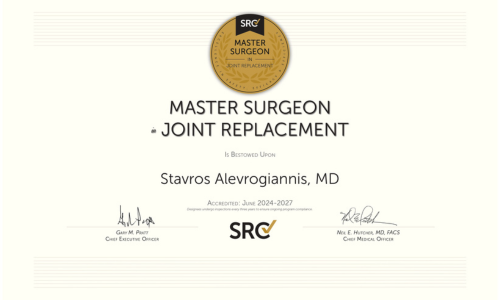
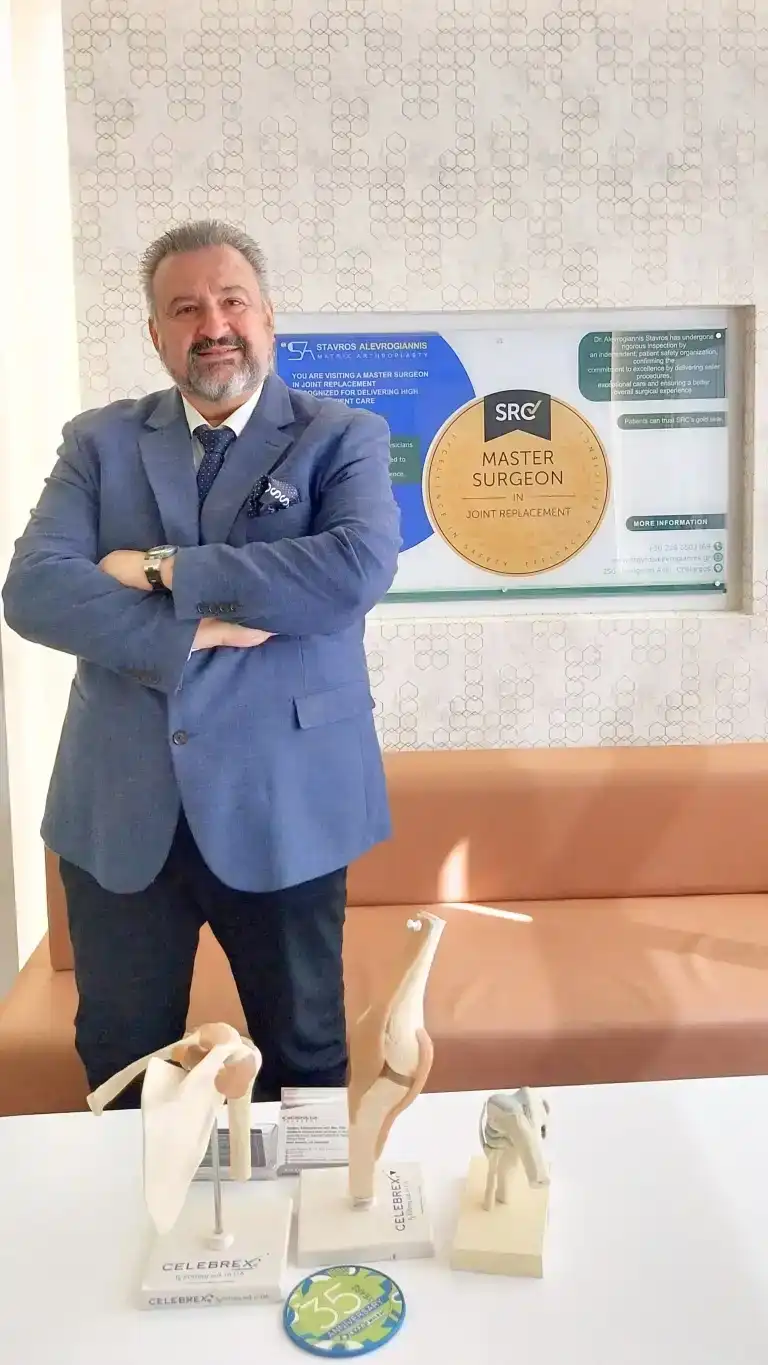
The biography and Master Surgeon profile provides information about Dr. Stavros Alevrogiannis and his professional background. Learning about experience and distinctions can support preparation for your choice. At a personal appointment, it matters that you can discuss your own circumstances, understand the recommendation and ask questions. Find out who coordinates the next steps and how monitoring is arranged. Care needs understandable explanations and a practical plan from initial assessment through rehabilitation where required. Bring questions about previous recommendations as well as the present proposal so that differences can be discussed on a clear, common basis.
Before the first appointment
Prepare a short history of symptoms, treatment and operations. Have images, reports, a medication list and important health information available. You do not need to repeat investigations independently before contacting the team. Note when anything changed since the last examination. Choose two or three questions that most affect everyday life. The consultation can then start with a specific functional difficulty and lead to clear next steps, with room to clarify diagnosis and options. If you want someone to help record information, arrange that according to your preference while keeping your own account of the problem central to the discussion.
Rehabilitation belongs within the overall plan
Treatment discussion includes what is needed afterwards. Ask how instructions, reviews and collaboration with a physiotherapist are organised. Returning to walking, work or sport involves different goals. Describe actual demands and the help available at home. Digital information can support organising questions, while personal clinical instructions determine care. If something requires prompt contact, follow the responsible team's details and instructions for the particular case. Keep written guidance available and ask for clarification where a practical need makes it difficult to follow. Progression should be connected to the treatment performed and your function rather than another person's recovery schedule.
How cost information is discussed
Costs relate to assessment and an appropriate plan. If an operation is proposed, request detailed information about included services and those calculated separately. Hospital charges, anaesthesia, fees, materials and monitoring need clarification where relevant. Ask about physiotherapy, aids and confirmation of insurance cover. A clear financial proposal supports meaningful comparison and practical planning. Different care pathways have different content, so individual assessment comes before detailed costing. It is useful to understand the whole period of care, including separately arranged rehabilitation services or travel needs, rather than only the amount associated with the treatment day.
Reading about a return to everyday activity
The article about walking after knee replacement connects information with a common practical question. While reading, note what relates to your circumstances and what needs clarification. Moving around at home, walking further and returning to demanding activity are different needs. During personal follow-up, ask for specific guidance about each. General information can then become the starting point for useful questions connected with the plan agreed for your own rehabilitation. Keep those questions together with the written instructions you receive, so that subsequent discussion can address what is relevant to your daily life and current stage of care.
Arrange a visit in Athens and continue learning
To arrange a consultation at Metropolitan General, use the contact page and confirm the address at 264 Mesogeion Avenue, Cholargos. Ask which records to bring and mention travel or accompaniment needs. The orthopaedic articles provide further information about services, recovery and the doctor's work. Keep questions arising from reading for your own appointment. Information becomes more useful when connected with personal assessment and an understandable plan for the next steps. The visit allows diagnosis, treatment choices and practical arrangements to be discussed in the context of your own needs.