European Mobility Foundation: access and independence
European Mobility Foundation
Mobility is a fundamental condition for independence, dignity, social participation and quality of life.
A European organization for the prevention of loss of movement, the restoration of functionality and equal access to modern musculoskeletal care. The Foundation invites institutions and people who believe that movement is not a privilege, but a prerequisite for an independent and dignified life.
-
The vision
A Europe in which every citizen can maintain or regain their mobility, regardless of income, age, place of residence or social position. -
The Mission
Preventing and addressing loss of mobility through early diagnosis, access to effective treatment and advanced technology, comprehensive rehabilitation, reliable data recording and cooperation at European level.

Core Values:
1. Equality, prioritizing clinical need and protecting financially vulnerable citizens
Equitable access connects with recognising each person’s different needs. Information about options such as joint replacement needs understandable language and personal discussion so a request for care relates to actual functional priorities.
2. Scientific integrity through evidence-based interventions, independent evaluation and publication of results.
Evidence and clear explanation of benefits, limitations and uncertainties support informed discussion. Each technological capability should be explained within an individual plan, with room for questions and clarification.
3. Dignity, so that patients participate in decisions and are treated as people, rather than cases.
Dignity concerns how a patient’s priorities are heard. Participation, understandable explanations and respect for preferences are meaningful parts of personal communication. The doctor’s presentation provides professional background before the meeting.
4. Transparency in information and discussion of options
Transparency means understanding what has been explained, what is agreed and what still needs clarification. Personal discussion leaves room for questions about options, organisation, costs and the next practical steps.
5. Innovation, using advanced technology only when it creates meaningful clinical or functional value.
All initiatives aim to improve quality of life:
- reducing pain
- improving mobility
- returning to everyday function
6. European solidarity through the transfer of knowledge and resources to underserved communities
His participation includes defining guidelines on:
- patient-reported outcomes (PROs)
- returning to sports after TKA
- high-precision rehabilitation protocols
7. Training young orthopedic surgeons
Through international educational initiatives, workshops and fellowships, he contributes to the development of the next generation of knee and hip surgeons.
Ambassador of the Right to Movement – A Holistic Approach to Health
Dr. Alevrogiannis approaches arthroplasty not only as a surgical procedure, but as a mission aimed at:
- relieving pain,
- restoring function,
- improving mobility,
- enhancing the patient's quality of life.
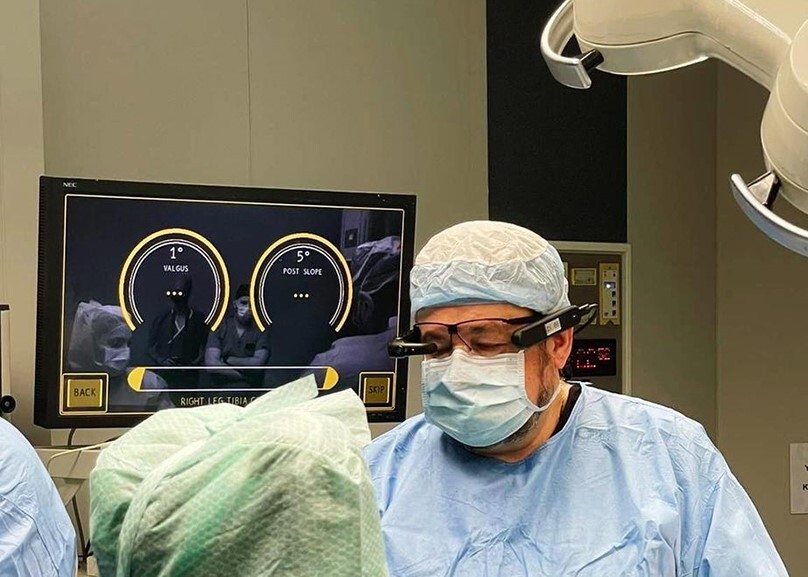
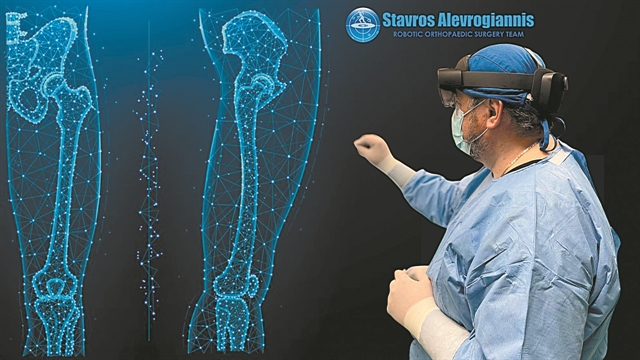
Using 3D technologies, robotic assistance and personalized implants, he helps patients return safely to an active lifestyle.

Contact Us
Contact Us

Why choose Dr. Stavros Alevrogiannis?
Dr. Stavros Alevrogiannis, as an Ambassador of the ‘Right to Movement’ and an active member of European Knee Associates (EKA), combines:
- international scientific involvement
- innovation and technology in arthroplasty.
- social responsibility,
- innovation and technology in arthroplasty.
His contribution reflects the highest form of medicine: scientific excellence and compassionate care for every person’s mobility and quality of life.
Information connected to everyday movement
The presentation of the European Mobility Foundation focuses on independence and participation in everyday life. For someone with a knee or hip problem, learning can begin with difficulties walking, traveling and performing simple activities. These needs give the discussion about mobility a concrete focus.
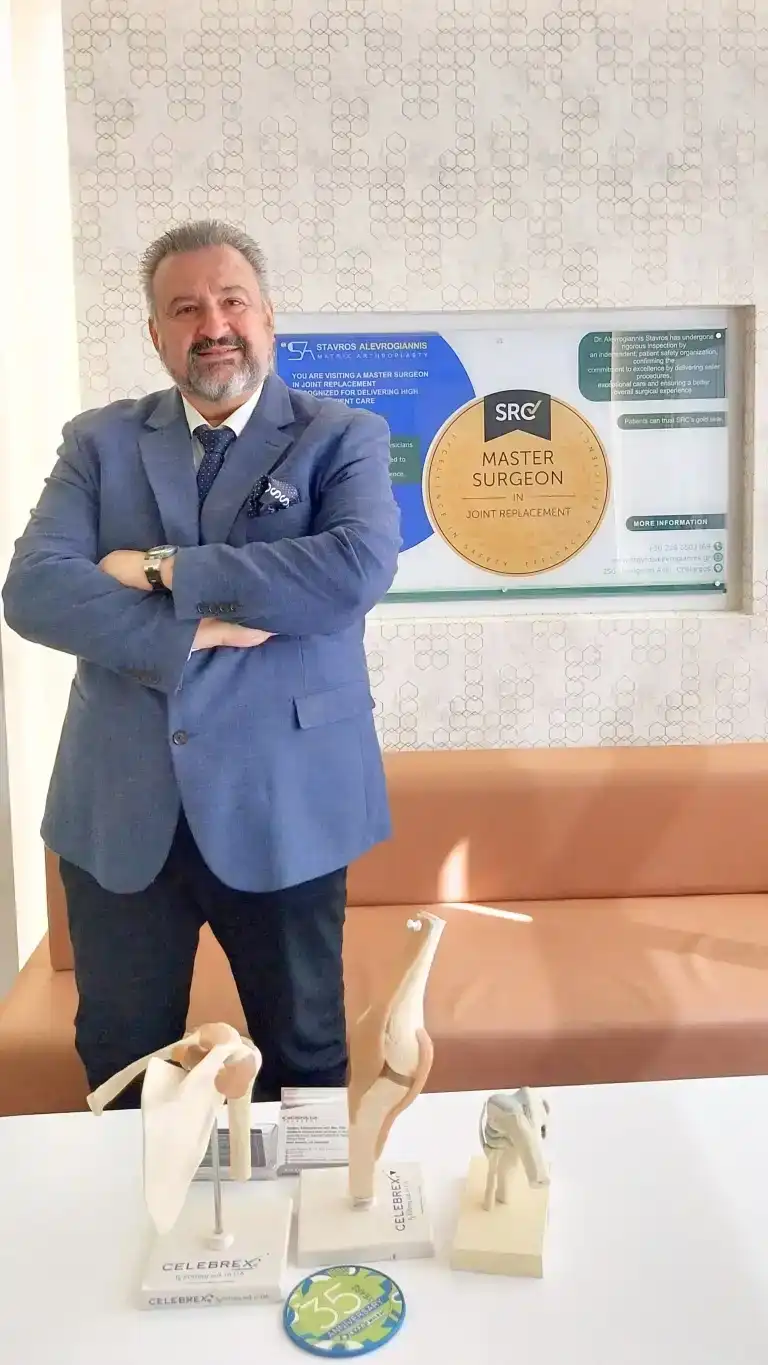
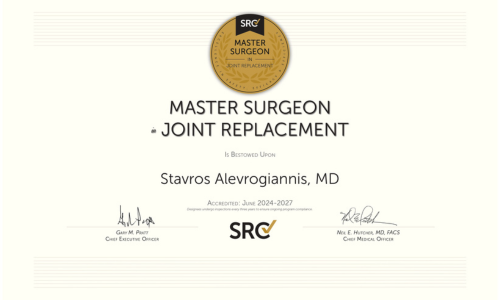
In the sections on arthroplasty and sports medicine you will find information on different problems and care options. The Dr. Stavros Alevrogiannis – Master Surgeon page presents Dr. Stavros Alevrogiannis's relevant certification. For practical information about visiting, use the contact pageto confirm the location and time of your appointment.
Questions about information and visits
Where can I read about specific mobility problems?
The arthroplasty, sports medicine and arthroscopy pages bring together information on different conditions and care options. Start with the issue that concerns you and keep your questions for the visit.
Can I arrange a visit to the doctor from this page?
The available contact details and service locations are on the contact page. Confirm your appointment with the practice before traveling.
Mobility means participating in daily life
Moving connects with simple activities often taken for granted: leaving home, going to work, meeting friends or managing personal needs. The European Mobility Foundation presentation places that relationship between movement and independence at its centre. Discussion extends beyond the name of an operation to the person, their priorities and the circumstances in which information and care are needed. This page connects the values presented with practical questions about access to orthopaedic assessment and participation in a personal consultation. The starting point is understanding what matters to the individual and how useful information can support that conversation.
The personal goal behind a general expression
Improved mobility does not mean exactly the same thing to everyone. For one person it may concern a journey to neighbourhood shops; for another, managing stairs at home. Recording your priorities can help explain what you want to discuss. There is no need to compare yourself with someone of a different age or daily routine. A personal account gives substance to a broad value such as independence. The consultation is the appropriate place to clarify which goals relate to the situation being assessed. Keep examples from your own day so the discussion concerns actual needs rather than an abstract description of better movement.
Equitable access also begins with understandable information
A technical text does not help every reader in the same way. If a word or sentence is unclear, request an ordinary-language explanation. Retain the expression that was difficult and connect it with a particular question. The same applies to practical details: where a visit takes place, how a booking is confirmed and which earlier records are needed. Clear information supports organisation without assuming familiarity with healthcare arrangements. Help from relatives can be useful, while the person being assessed should be able to express their own questions and preferences. Preparation can support that participation by making the next practical step easier to understand.
A human perspective in the first orthopaedic meeting
Begin by describing what has changed in everyday activities and what you want to understand. A short personal note helps retain priorities when discussion begins. If earlier care or surgery is relevant, ask which available information should accompany you. Preparation is not a knowledge test and does not require treatment selection beforehand. The aim is to present actual information while leaving space for explanation. Organisation can then serve the person rather than reduce the meeting to a general technology description. Your own language and examples remain useful even if you have not read every service page or encountered the terminology before.
Information about knees, hips and different needs
The knee and hip replacement section introduces topics relating to joint replacement. Arthroscopy and sports medicine cover other subjects. Choose reading connected with your question without assuming every approach applies automatically to you. Note which page you read and what needs clarification. Service descriptions provide a starting point for discussion; individual assessment connects options with history and actual functional needs. If several topics seem relevant, keep a brief list rather than trying to choose a procedure independently. The consultation can clarify how those different areas relate to the concern you wish to raise.
Innovation needs an understandable explanation
Technology information is valuable when it explains which practical question a tool addresses. Read about assistance in the robotic joint replacement presentation and retain relevant questions. Ask what role a system has in an individual plan and which limitations need explanation. You do not need to be impressed by a name to participate in the discussion. A modern capability should connect with understandable reasoning, alternatives and personal expectations. Innovation and careful communication deserve consideration together. Where an expression remains unclear, ask for its role to be explained through the actual proposal rather than assuming familiarity with the term is necessary.
Dignity and support from the family
When a relative handles booking or transport, it helps to know what the person attending wants to ask. They can assist with the folder and practical arrangements without replacing the individual's voice. Agree which information is shared and who retains the appointment details. Where several family members participate, a clear final update reduces different versions of the plan. Respect for preferences can appear in simple details, from the question list to arrangements for returning home. Keep the person concerned involved in those decisions rather than treating practical support as a reason to make every choice on their behalf.
Transparency about costs and practical commitments
Clear financial information concerns the particular service for which a meeting or plan is requested. Ask what is included, which details remain unconfirmed and what needs checking separately with an insurer. Keep consultation costs distinct from any further service discussed later. If another person helps with expenses, share the information actually confirmed and explain its scope. The Foundation's values provide a direction for this presentation, while practical financial arrangements require specific communication. Recording the relevant details helps planning follow what has genuinely been agreed instead of combining general statements or unrelated estimates into an assumed overall arrangement.
Recovery questions connected with your daily routine
Information about rehabilitation can be organised around questions of independence, support and returning to activities. The article about walking after joint replacement provides related reading. Use it to record what you want explained rather than turn a general text into an individual programme. If a treatment plan develops, ask how personal instructions and communication will be provided. Preparation also concerns the environment to which you will return, making your circumstances useful to describe clearly. If someone may help at home, clarify which information is needed before responsibilities are divided around an assumed timetable or another person's experience.
Distance as an organisational matter
Living far from a consultation location may require more planning for transport and a companion. Explain the starting point when booking and confirm the venue before arranging travel. Ask how follow-up and further practical steps are discussed if needed. Do not assume a service or contact method is available because you used it elsewhere. The contact page lists information for Athens, Lamia and Cyprus. Specific personal confirmation is necessary to arrange access to an actual appointment and clear destination. Keep those details together so anyone helping with the journey follows the final plan rather than an earlier general enquiry.
Learning and questions that belong in the consultation
A patient does not need to become a specialist to participate. Information can begin with a simple question about a word, a next step or an everyday difficulty. If reading with a relative, retain points you understand differently and request clarification. The professional presentation of Dr. Stavros Alevrogiannis offers further background before the meeting. Reading is valuable when it helps you understand discussion without creating a sense that treatment must be chosen independently. You can arrive with incomplete knowledge and clear questions. The purpose of the conversation is to connect information with your circumstances in a way you can follow.
A shared note for clearer coordination
Before making contact, collect the practical questions about attending and the points concerning your personal priorities on one page. If a relative assists, discuss which scheduling details they need. Keep the address and time separate from personal documents so you can share information relevant to each person's role. After the meeting, note which steps are agreed and which questions remain open. This simple preparation supports participation without requiring you to memorise the whole conversation. If information is unclear, request confirmation before arranging something that depends on it. The note can remain brief: its purpose is to make the current plan understandable and accessible, rather than become another complicated task before seeking advice.
Practical steps for your request
- Describe the activities you want to discuss and retain your personal priorities.
- Confirm the consultation location and which earlier information is needed.
- Request understandable explanations of options relevant to your circumstances.
- Distinguish general website information from what has been individually agreed.
- Arrange transport, accompaniment and subsequent contact using specific confirmed details.
Movement connects with many parts of daily life. Useful information helps those needs be heard and makes practical steps towards a personal care discussion clearer. Keep your questions accessible, share scheduling details with anyone assisting and ask for clarification where needed. The values presented here become meaningful when they support understanding, participation and a clear account of what matters to the person seeking advice.

THE PATIENT IS AT THE CENTER
Collaboration & Support, Our Basic Principles