Robotic knee replacement in Athens
Dr. Stavros Alevrogiannis
Robotic Knee – The Next Era in Surgical Precision
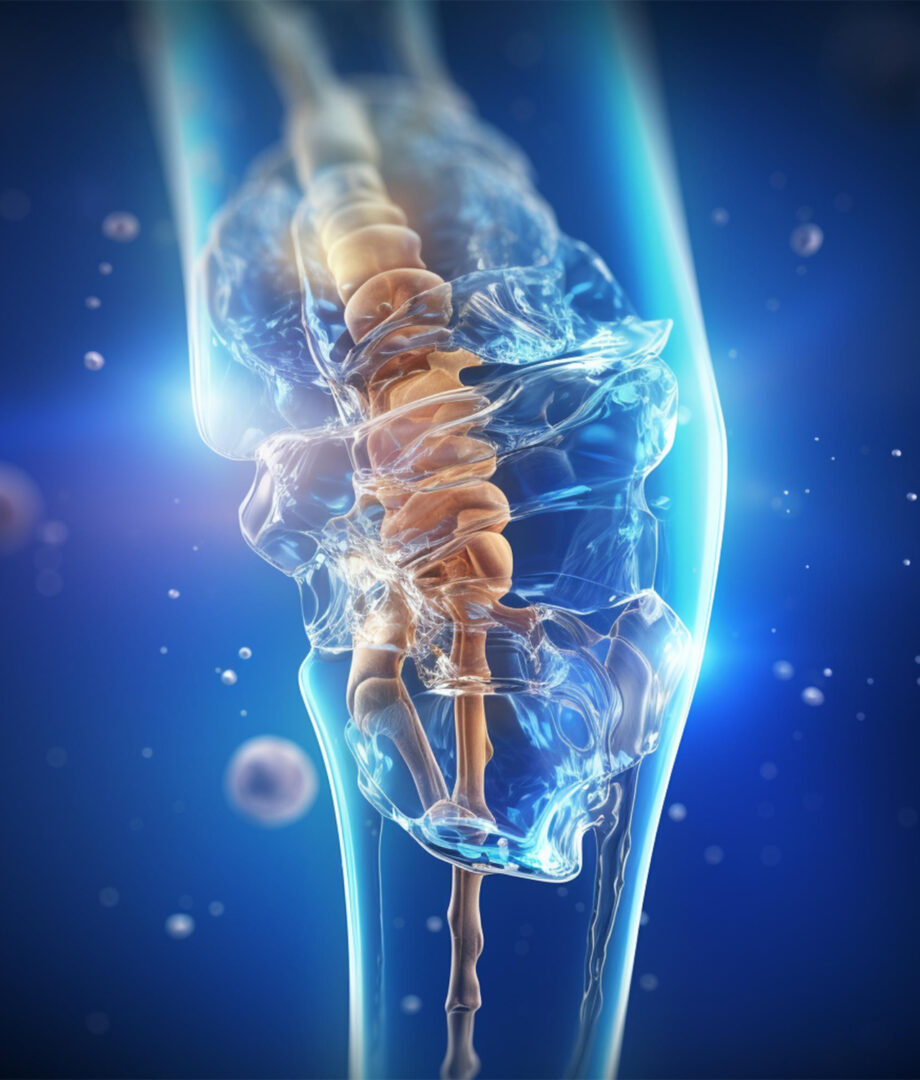
Robotic knee technology has radically changed the way joint replacement or reconstruction surgeries are performed. By using high-precision robotic systems , the surgeon achieves complete individualization in the surgical plan, improving the alignment, stability and function of the knee.
How robotic arthroplasty works
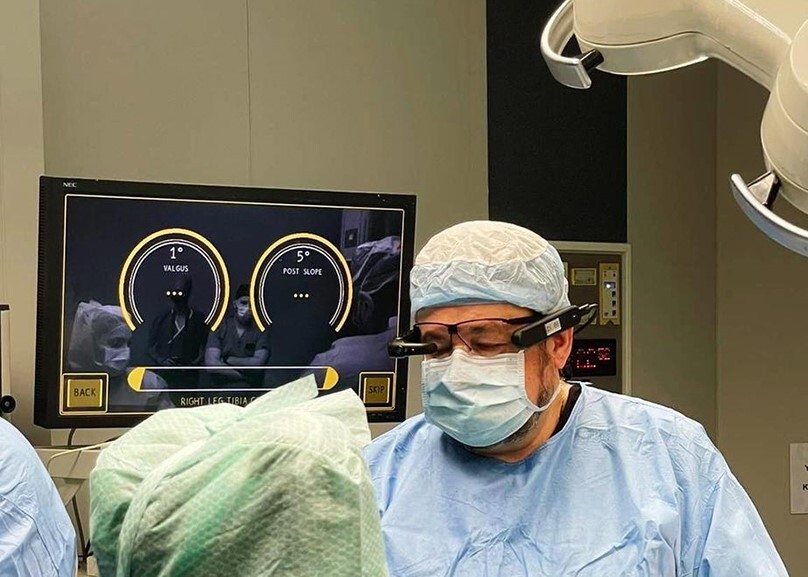
Robotic surgery is based on 3D mapping of the knee and digital preoperative planning . During the operation, the robotic arm guides the surgeon with millimeter precision , ensuring ideal placement of the prosthesis according to each patient’s physiology.
Advantages of robotic knee surgery
Robotic knee arthroplasty offers significant benefits over traditional techniques :
 Absolute precision and symmetry in the placement of the prosthesis Minimally invasive procedure with less pain & blood loss Faster recovery and return to mobility More natural feel and long-term stability of the prosthesis Shorter hospital stay
Dr. Stavros Alevrogiannis – Pioneer in Robotic Orthopedics
Dr. Stavros Alevrogiannis , Scientific Director at the Robotic Knee & Hip Orthopedics Clinic of METROPOLITAN General Hospital , has many years of experience in robotic arthroplasty and sports injury rehabilitation.
His specialization and collaboration with international experts ensure personalized care and excellent postoperative results .
When your knee changes the way you live
The decision about knee replacement begins with the relationship between pain and function. You may avoid a favourite walk, choose routes without stairs or need more time to get out of a chair. These changes deserve discussion, even if you have become accustomed to regarding them as unavoidable. Assessment aims to explain their cause and compare the available options. Robotic assistance is one aspect of a possible surgical plan. The essential starting point remains whether joint replacement is appropriate and which improvement matters in your own daily life. A useful consultation connects the proposed treatment with those individual difficulties and goals.
Pain, stiffness and difficulty walking
Before your appointment, consider which movements cause the greatest problems. Discomfort only after a long walk is different from difficulty moving around your home. Mention whether the knee is difficult to straighten or bend, whether you notice swelling and whether discomfort interrupts sleep. The pattern over time also matters: gradual deterioration and a new symptom following an injury may require different assessment. It is not safe to assume that every episode of knee pain is caused by arthritis. A clinical assessment considers the combined findings and other possible explanations, rather than treating a symptom description as a diagnosis in itself.
What an organized initial assessment can offer
The consultation includes discussion of your history, examination and review of the investigations available. Bring the images and written reports, rather than only a verbal summary from an earlier appointment. If you have received injections, physiotherapy or other interventions, note when they took place and what changed afterwards. Previous fractures, operations, instability and treatment for other health conditions should also be mentioned. This information helps establish the right questions about diagnosis and preparation. Further investigations may be needed, but they should address the assessment's actual requirements. A universal list of examinations cannot determine what is necessary for every individual knee problem.
Other treatment options are considered before surgery
A treatment plan should explain why a particular approach fits the current situation. Discussion may include exercise and physiotherapy, changes to activities, walking support or appropriate medicines. A treatment that helped someone you know is not automatically the right approach for your knee. Similarly, an earlier unsuccessful attempt needs to be understood in enough detail to establish what was actually tried. The indications for a different intervention, such as treatment of a meniscus tear, are not identical to those for replacement. Making these distinctions helps avoid confusion between a condition, a symptom and an operation, and allows the alternatives to be compared in context.
The extent of replacement and the proposed plan
You should understand which parts of the knee are affected and what operation is being proposed. A discussion about total or another type of replacement cannot be settled by a procedure name or an online description alone. Anatomy, ligament function, movement and the distribution of joint damage influence planning. Ask why a particular option is recommended and which alternatives have been considered. It is also useful to understand whether operative findings could alter the plan and how that possibility forms part of your information. Consent becomes more meaningful when it reflects an understanding of the actual proposal, including its objectives and relevant uncertainties.
Where robotic technology fits into knee surgery
Robotic and computer assistance provide tools for planning, measurement and execution of certain steps under the surgeon's control. They do not decide whether an operation is necessary in place of you and your doctor. In the discussion about your knee, ask what information is used, what preparation is required and how the plan will be applied. The general robotic arthroplasty page explains the wider context. The focus here remains on the knee and on connecting the technology with the operation's functional aims. Technical precision does not automatically produce an identical recovery experience for every person, so individual expectations and rehabilitation still need careful discussion.
Preparation that considers the whole patient
Preoperative preparation is not limited to the knee. The team needs information about your general health, medicines, allergies and any recent issues being monitored by other clinicians. If another specialist has supplied particular instructions, bring them in writing so the plan can be coordinated. Investigations and anesthesia assessment are arranged according to your circumstances. Do not stop medication yourself because an operation is planned. Also ask which activities and preparations at home are appropriate before admission. The information should be specific enough for you to know what to do, which arrangements remain outstanding and whom to contact if something changes before the procedure.
The first period at home needs a practical plan
Consider the route from your entrance to the bedroom and bathroom, the space needed for a walking aid and any obstacles along the way. Help from a companion is easier to organize when you identify the actual tasks involved: transport, shopping, meals or attendance at a review appointment. If you live alone, tell the team early so that realistic arrangements can be discussed. The same applies if there are stairs at home or if you care for another person. These details are part of making postoperative instructions workable. They influence whether the planned support and advice can be followed safely after discharge.
Walking and walking aids after knee replacement
Returning to walking takes place with guidance. The appropriate aid, permitted weight bearing and progression of mobility are determined by the team responsible for your care. Moving from a frame or crutches to less support requires an assessment of safety and function. Putting an aid aside early is not a competition or proof of a successful operation. Concentrate on the quality of movement and the instructions you have received. The article about walking after knee replacement can help you organize questions about mobilization, familiar daily routes and gradual progress. It provides a discussion framework rather than a personal timetable for changing your support.
How knee rehabilitation is monitored
Recovery is assessed in more than one way. Movement, muscle function, walking, pain and the ability to perform everyday tasks provide different information. Exercises should reflect your progress and need to be performed correctly. Note difficulties that appear at particular times or during specific activities, instead of relying only on a general impression that recovery is going well or badly. This makes review appointments more informative. Tell the team if an instruction is unclear or if following the programme is difficult. Adapting a plan requires an accurate picture of what is happening at home, including the practical obstacles that may not be obvious during a consultation.
Work, driving and more demanding activities
Returning to desk-based work differs from returning to a job involving standing, lifting or frequent movement. Describe these demands before agreeing a return-to-work plan. Driving also requires discussion of the operated leg's function, safety and the medicines you are taking. Returning to exercise needs consideration of the activity and its intensity. A certain number of days passing does not make every movement appropriate. Ask for specific instructions and agree how they will be reassessed if your requirements or functional ability change. Advice is more useful when it is connected to the tasks you actually need to perform, rather than to a broad label such as normal activity.
Robotic knee replacement costs in Athens
Financial information can be clearer when it separates the operation from subsequent care. For the operation, ask about the implant, materials, hospital, anesthesia, medical fees and technological support. For care afterwards, clarify review appointments, physiotherapy and walking aids. If a service is arranged separately, you need to know this before comparing proposals. Insurance contributions depend on the provider, policy and approved coverage. No unverified universal price is presented here. An individual, itemized estimate supports practical planning and helps identify both what the proposal includes and what remains outside it. Confirming the details in writing is especially useful when different organizations are responsible for different parts of the care.
Concerns that require timely contact
Discharge information should distinguish planned follow-up from a need for prompt assessment. Find out which changes in pain, swelling or the wound require contact and which number you should use. Fever, wound discharge or worsening symptoms should be discussed according to the team's instructions. New breathlessness or chest pain requires emergency medical assistance. Do not wait for a routine appointment when a problem may be urgent. Timely contact allows the responsible team to judge whether examination is needed and what should happen next. Keep the contact arrangements accessible to a companion as well, particularly if that person is helping you during early recovery.
Looking after the joint beyond early recovery
Follow-up continues beyond the initial recovery period. Discuss the proposed review arrangements and which information about the operation and implant you should keep. If a new problem develops later, these records can assist assessment. The working life of an implant cannot be presented as a personal guarantee of an identical number of years for everyone. The need for further review depends on your progress and findings. If you already have an older knee replacement, discussion of possible revision differs from an initial replacement. Previous operative information is particularly useful in preparing that discussion and in understanding how a new proposal relates to the earlier procedure.
An assessment in Cholargos with prepared questions
To arrange an assessment in Athens, use the contact page and confirm your appointment at Metropolitan General, 264 Mesogeion Avenue, Cholargos. The local Cholargos page brings together information about organizing the visit. Have your history, investigations and main questions available. If a family member will help with rehabilitation, it may be useful for that person to hear the instructions and note practical arrangements. The consultation should leave you with a clear explanation of the diagnosis, available options and next steps for your own knee, including any further information needed before a treatment decision can be made.
Additional information: NHS: preparation for knee replacement, NHS: recovery and NHS: complications and contacting the team.
Frequently Asked Questions
What is a “robotic knee”?
It is the use of a robotic system that guides the surgeon with millimeter precision during arthroplasty, ensuring a more natural feel and better alignment.
What are the advantages of robotic arthroplasty?
Less pain, less blood loss, faster recovery, perfect fit of the prosthesis and long-term stability.
Is robotic technology safe?
Yes, the robotic arm does not perform movements on its own but guides the surgeon, offering greater safety and precision.
Who is it addressed to?
For patients with degenerative diseases or knee osteoarthritis who require arthroplasty and desire a faster return to work.
Technology in the pipeline for the knee
Robotic knee arthroplasty is associated with the design of the replacement of the specific joint. It does not describe an autonomous operation by a machine: the assessment, selection and decisions remain with the medical team. The general section on arthroplasty explains the basic operation, while robotic knee and hip arthroplasty presents the technological approach more broadly.
Before making a decision, ask what changes the plan will make in your case and how the rehabilitation is organized. Age, other health problems, and daily life demands vary from patient to patient. Learning about walking after knee replacement helps prepare questions about walking and post-operative follow-up.

THE PATIENT IS AT THE CENTER
Collaboration & Support, Our Basic Principles