Biological therapies for joints in Athens

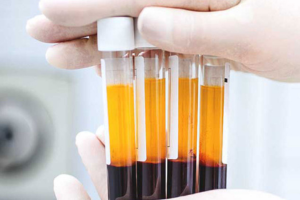

Advanced Biological Therapies for Tissue Regeneration
The human body has an innate ability to heal itself when it suffers injury or chronic degenerative damage. With the help of modern medicine, this natural process can be enhanced and accelerated through advanced biological therapies.
Advanced Biological Therapies
The doctor enriches the affected area with specialized biological material, which activates mechanisms for regeneration and restoration of damaged tissues.
The most effective methods include:
Activated platelets (PRP/PRGF)
Biological scaffolds and membranes
Biological therapies are an innovative, natural and safe option for treating injuries and accelerating recovery, offering the patient a better quality of life.
A group of different approaches rather than one treatment
Biological therapies is an umbrella term for different materials and techniques discussed in orthopedics. For a patient, the important step is to turn that broad name into a specific proposal: which condition is being addressed, which material is used, what the objective is and how follow-up is organized. The origin of a material does not establish its effectiveness by itself. Find out whether the discussion concerns relief of symptoms, support for another procedure or treatment of a particular lesion. This helps distinguish methods that may be described in similar language while addressing different clinical questions and requiring different decisions from the patient.
Diagnosis sets the context for choosing an approach
Before comparing injections, cellular preparations or other interventions, the cause of the symptoms needs clarification. A painful tendon, a localized cartilage lesion and a joint affected by extensive arthritis are not the same problem. Age, medical history, function and previous treatments also inform assessment. Ask for the diagnosis to be explained in understandable terms and for the intended purpose of the intervention to be described. If several possible causes of pain remain, additional assessment may be needed. Selecting a material should not be used instead of that diagnostic process. The proposal needs to explain how the chosen approach relates to the problem identified in your case.
Symptoms that help organize the consultation
Describe the area of discomfort, its duration and the activities that make it worse. Mention a preceding injury, reduced movement, swelling or a feeling of instability. A concrete description is more useful than simply saying that movement hurts. Note what happened during previous physiotherapy, medication or an injection. If treatment took place elsewhere, bring any available information about the material and procedure. This allows discussion of what has actually been tried and which needs remain. It avoids restarting the conversation with only a treatment name, without understanding why that approach was selected or how your symptoms changed afterwards.
PRP has a different role from a cellular application
PRP involves a preparation made from the patient's blood and is not the same as stem cell therapy. Discussion should address the particular preparation and the condition for which it is proposed. Applications and protocols are not all identical. The platelet-rich plasma PRP page can help you organize relevant questions. At your appointment, clarify how many visits are envisaged, what would count as a positive response and which activity instructions you should follow. Choice of treatment is not based only on the material being autologous. It requires an explanation of the wider reasoning supporting that particular proposal for your own circumstances.
Autologous cellular material and the limits of broad promises
Approaches involving bone marrow or adipose material need a specific explanation of collection, processing and administration. A stem cell label does not describe the composition of the final preparation by itself. The detailed autologous stem cells page develops these questions. Ask how the information relates to your diagnosis and to the evidence available for the proposed application. The possibility of reducing symptoms should not be confused with certainty that tissue will regenerate. Similarly, not requiring a separate donor does not establish that an intervention is risk-free. These distinctions are useful when discussing both the intended outcome and the uncertainties that remain.
Cartilage restoration and biological scaffolds
When cartilage restoration is discussed, you need to understand the type and extent of the lesion. Cartilage transplantation or restoration and biological scaffolds or membranes involve a different discussion from a general injection for pain. They may form part of surgical treatment with particular preparation and rehabilitation requirements. A finding of cartilage damage on an investigation is not enough to select a technique. Ask which characteristics of the lesion matter, which other joint structures need assessment and why a particular direction is recommended. Understanding those points makes the proposal more specific than a broad promise to improve cartilage or joint function.
The mechanical function of the joint still matters
A biological approach does not, by itself, explain how a separate structural or functional problem will be addressed. Instability, an old injury or restricted movement needs consideration within the overall plan. An anterior cruciate ligament tear, for example, raises its own assessment and treatment questions. The relationship between symptoms, findings and the proposed intervention should be clear. Ask whether a biological material is being considered alone or alongside another procedure. The answer influences expectations, practical arrangements and subsequent care. It also helps establish which part of a combined plan is intended to address each identified problem.
What to clarify if intra-articular botulinum toxin is discussed
Botulinum toxin is a different substance from PRP or an autologous cellular preparation. If an intra-articular application is discussed, separate information is needed about the particular medicine, indication and available evidence. Ask whether the proposed use is included in the product's authorized information and what additional discussion is required. Authorization for one condition does not establish equivalent evidence for every different application. You do not need to know technical terminology or doses to request a clear explanation of the reasoning. A decision should follow appropriate medical assessment and individual consent, with an opportunity to ask about the actual proposal before proceeding.
Making a meaningful comparison between options
Comparison becomes easier when each proposal answers the same essential questions, without assuming that the interventions are equivalent. What is the objective and how will it be assessed? What does the procedure require from you? Which uncertainties remain and what alternatives are appropriate? What follow-up is planned? You can ask for these points to be recorded for the options being discussed. This gives the decision more substance than choosing whichever technique sounds newest, following another person's experience or comparing a price in isolation. The clinical context and practical requirements are part of the comparison, alongside the proposed material or procedure.
Previous treatment and your priorities now
Your history should include interventions that helped as well as those that did not produce the hoped-for result. What was actually done matters more than its general label. An organized timeline might include the injury, investigations, periods of physiotherapy and dates of injections or operations. Explain which change would be most valuable now: fewer difficulties at work, a longer walking distance or return to a specific activity. Personal priorities help establish realistic objectives and determine whether a proposed application deserves further consideration. They also provide a useful starting point for later review, when the team needs to understand whether the plan is addressing the limitations that matter to you.
Rehabilitation is not identical for every material
An injection and a surgical cartilage restoration technique may have very different requirements afterwards. Advice about weight bearing, work, walking and sport should refer to the particular procedure. Ask whether walking aids, physiotherapy or reassessment are needed before activity increases. If several interventions are combined, establish which one determines the restrictions. Rapid improvement in a symptom is not the same as complete functional recovery. Information about rehabilitation is needed before deciding, particularly when your work or care responsibilities make changes difficult. It allows the proposed medical plan to be considered alongside the time, help and practical support needed to follow it.
Biological therapy costs in Athens
Costs need to be described in relation to the specific application. Collection and processing, consumables, use of facilities, a possible surgical procedure and review visits are not common to every proposal. Request an itemized estimate and clarify which services are paid for separately. If a series of applications is proposed, ask why that number is suggested and at what point response will be assessed. Insurance contributions should not be assumed without confirmation. No unverified price is given for a general category of biological therapy, because that phrase does not identify one standard material or one standard procedure. An estimate is useful when its contents are clear.
Safety and contact after an application
Before proceeding, find out which adverse effects have been discussed and which symptoms require review. Ask for instructions about the collection site, treatment site and contact with the team. Worsening pain, fever or other changes specifically highlighted to you should be assessed according to your individual instructions. The word biological does not establish that an intervention is harmless. Good information includes possible difficulties and a clear route for dealing with them. If an instruction is unclear, ask for it to be explained before returning home. The same information should be available to anyone helping you with the practical arrangements afterwards.
Reassessment before repeating treatment or changing direction
Follow-up allows the initial objective and continuing suitability of the plan to be reviewed. If response is not as expected, the possible reasons and next options need discussion. Further applications of the same material are not an automatic requirement. A different approach or further diagnostic assessment may sometimes be appropriate. If knee or hip replacement is being considered, comparison should address the actual condition of the joint. Postponing a decision requires clinical reasoning and a monitoring plan, rather than a general promise to avoid surgery. The next step should be explained in relation to findings, function and the needs that remain.
What should be clear before a date is arranged
Make sure you understand the proposed material, procedure, location, preparation and programme afterwards. Financial arrangements and follow-up should also have been clarified. Mention early if you need time off work or help with transport. A written summary of the main instructions can help you avoid relying only on memory. This preparation connects an informed decision with the practical ability to follow a plan and communicate if difficulties arise. It also gives you an opportunity to identify unresolved questions before a procedure is booked, rather than discovering on the day that an important instruction or arrangement has not been understood.
Discussing the options in relation to your own problem
For an Athens appointment, use the contact details and confirm the meeting at Metropolitan General, 264 Mesogeion Avenue, Cholargos. The consultation is more useful when you bring a clear history, previous investigations and questions about the activities that are difficult for you. You do not need to arrive having already chosen a treatment. The aim is to clarify the diagnosis and discuss relevant options, including their benefits, limitations and requirements. If a proposal is not understandable, ask for another explanation before deciding about your care. A clear account of the reasoning is an important part of choosing how to proceed.
Official information about cellular product oversight: European Medicines Agency. Suitability of each orthopedic application requires separate assessment and explanation.
Frequently Asked Questions (FAQs) about Advanced Biological Therapies
What are biological therapies?
Biological therapies are innovative methods that use biological material to enhance the natural process of tissue regeneration after injuries or degenerative damage.
What are the most common biological treatments?
The most popular treatments include cartilage transplantation, activated platelets (PRP/PRGF), autologous stem cells and biological scaffolds or membranes.
How do activated platelets (PRP/PRGF) work?
The patient’s own platelets are activated and injected into the damaged area to accelerate healing and tissue regeneration.
Are biological therapies safe?
Yes. By using biological material from the body itself, the treatments are considered natural and safe, with a minimal risk of side effects.
How quickly are results seen?
Results depend on the injury and the patient’s age. Improvement is usually seen within a few weeks to months, while full recovery may require more monitoring.
What injuries do biological treatments cover?
They involve injuries to cartilage, muscles, tendons, ligaments and other tissues, as well as degenerative conditions that cause pain or limited mobility.
Organic options are not all the same
PRP therapy , autologous stem cells and biological scaffolds differ in terms of the material, the procedure and the indications considered. The choice starts from the diagnosis and the available data for the specific condition. It is not assumed that every biological intervention restores cartilage or prevents a future operation.
If you are seeking information about other intra-articular interventions, such as Botox, ask for separate information about their purpose, documentation, and suitability. The term “intra-articular injection” does not mean that it is the same treatment. Discuss follow-up, alternatives, and how the outcome will be assessed in your own daily functioning.

THE PATIENT IS AT THE CENTER
Collaboration & Support, Our Basic Principles