Rotator cuff tear in Athens: treatment and recovery
Rotator Cuff Rupture – Symptoms, Treatment & Rehabilitation
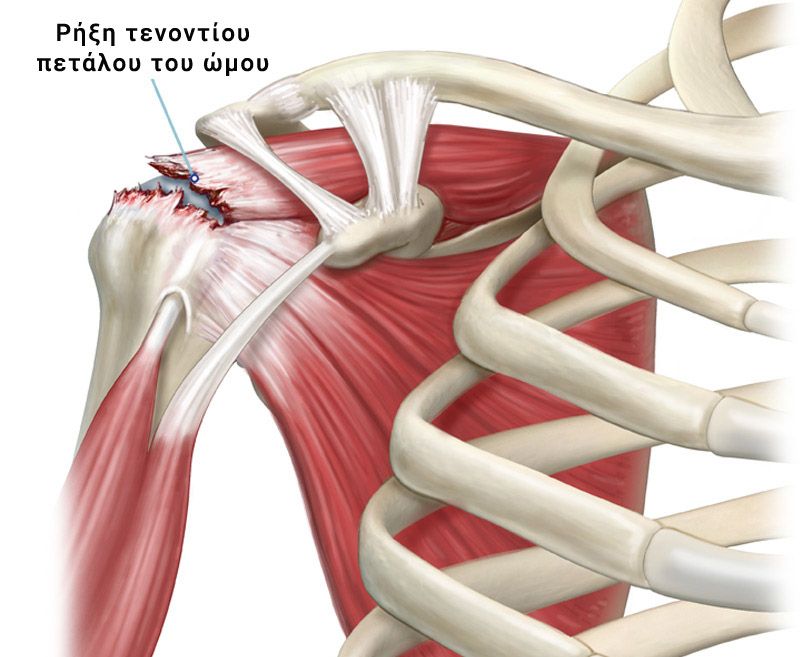
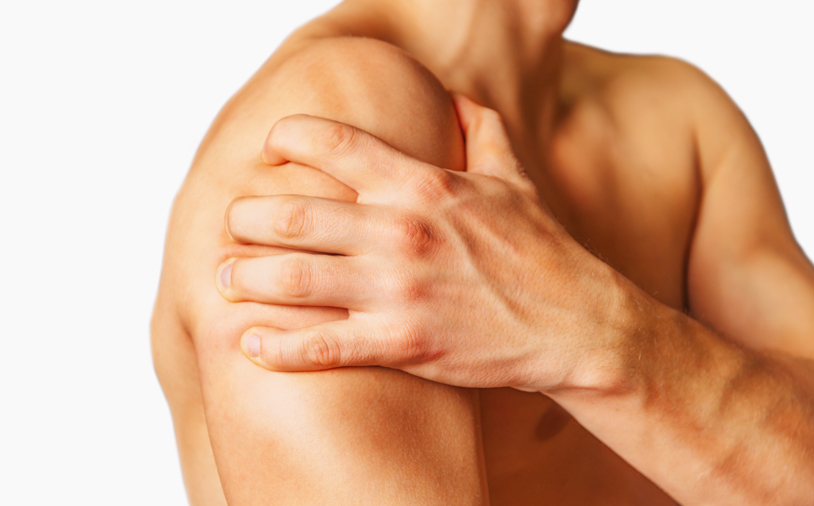
Rotator cuff tear is one of the most common causes of shoulder pain and weakness in adults. It occurs after acute injury or degenerative wear and tear , especially in people who use their arms heavily at work or in sports . The damage causes inability to lift/turn , pain at night, and difficulty with everyday activities (dressing, combing hair).
When do we consider surgery?
Treatment usually begins conservatively (anti-inflammatories, PRP injection where indicated, physical therapy). Surgical treatment is recommended when:
pain persists for >6–12 months despite conservative treatment,
there is a large tear (>3 cm) with good tissue quality,
there is a significant weakness/loss of functionality ,
the rupture resulted from a recent acute injury ,
the patient is very active or requires full rehabilitation for work/sports.
Surgical options (shoulder arthroscopy)
Debridement for partial tears or degenerated tissue.
Tendon suturing with suture anchors and reattachment to the humeral head for complete tears.
Treatment of coexisting injuries (e.g. biceps tendon rupture , osteophytes , subacromial friction) in the same operating room.
Most procedures are performed arthroscopically and without an overnight stay .
Restoration
After surgery, an individualized physiotherapy protocol is applied :
protection with a splint in the first few weeks → progressive range of motion → rotator cuff/scapular strengthening → gradual return to work/sports according to doctor’s instructions.
Often accompanied by problems
Biceps tendon rupture, subacromial impingement, osteoarthritis , osteophytes or other soft tissue tears. In arthroscopy, they are treated simultaneously for a more complete result .
A rotator cuff tear does not describe one type of patient
Two people with the same broad diagnosis may have different pain, strength and demands on the shoulder. Assessment connects the type of injury with upper limb function and personal history. A decision does not follow from a single word in an MRI report. It requires an explanation of what limits you, how the problem developed and which options may have a place in your care. This helps you understand why a recommendation can differ from that given to another patient, even when both of you describe a torn tendon. The relevant goal is a plan that fits the findings and your own functional needs.
Describe weakness, pain and stiffness separately
At the appointment, explain whether the arm cannot be raised because it hurts or because it feels weak. Mention movements that were easy and have changed, such as combing your hair, getting dressed or putting an object on a shelf. If pain interrupts sleep, note how often it happens and what else has changed in daily life. Your account does not need technical terminology. Specific examples are more helpful than a broad description of severity. The doctor will assess movement and strength appropriately; there is no need to perform painful tests yourself. Include the tasks you have stopped doing and any help you now need.
A recent injury changes the assessment questions
If difficulty began after a fall, sudden pull or another clear injury, explain when it happened and what you noticed. A new substantial loss of function after injury needs timely medical assessment. Do not wait for a general period of months because you have seen it mentioned as an example of nonsurgical treatment. With gradually developing symptoms, describe the course and the activities affected. This information helps determine appropriate timing and investigation. The history is an important part of the decision alongside examination and imaging. Clarify whether the shoulder had symptoms before the event, as well as what changed immediately afterwards.
What to ask when discussing an MRI report
Ask which tendon is affected, what a partial or full-thickness tear means in your examination and which additional findings matter. Location and tissue condition form part of the overall assessment. Bring the images, the report and earlier investigations if available. You do not need to compare measurements from different reports independently. Ask how the findings relate to function assessed during the examination. Imaging then becomes a tool for explanation and planning rather than a separate instruction to perform a particular procedure. If further investigation is suggested, clarify which question it would answer and how that information could influence care.
Nonsurgical management has its own objectives
When care without an operation is proposed, understand what improvement is being sought and how it will be monitored. Pain relief, easier movement and daily use are different aspects of function. Response is not judged only as a change in the image of a tendon. Request personal guidance about activity, medication and physiotherapy, together with a review plan. Explain what has already been tried, for how long and with what result. If function changes substantially, inform the team so that it can decide whether earlier assessment and a different discussion are needed. A clear plan should include how to seek advice between appointments.
Biological applications need more than a treatment name
If PRP or another biological approach is discussed, ask about the particular indication and intended objective. An injection should not be assumed to be equivalent to mechanically repairing a tendon or to guarantee restoration of a tear. Evidence and suitability differ between conditions and applications. Ask what it adds to the overall plan, which uncertainties remain and how response will be judged. Availability of a procedure does not mean it is necessary for everyone. Informed discussion distinguishes symptom-related aims, functional goals and surgical repair, rather than presenting different kinds of treatment as interchangeable ways to achieve the same result.
Before deciding on rotator cuff repair
A surgical proposal should explain what can be done for the particular tendon and why it is considered appropriate. Ask about alternatives, the significance of previous treatment and requirements after the operation. Examples of tear size or symptom duration do not act as automatic rules for every person. They have a place within a complete assessment. Also ask which findings could affect the final surgical plan. If following rehabilitation may be difficult for practical reasons, discuss that before deciding. Treatment demands should be understandable and feasible. This is the time to raise concerns about work, support at home or commitments that may affect the recovery plan.
Repair and additional procedures are not the same operation
Shoulder arthroscopy allows assessment and treatment of particular injuries, but the actual procedure determines postoperative care. Ask the surgeon to distinguish repair from debridement or another associated intervention. If a biceps problem, calcium deposit or bony finding is mentioned, ask why it matters and whether additional treatment is planned. Every imaging finding does not necessarily need treatment during the same operation. Understanding the complete plan helps explain protective instructions and compare proposals by what they actually involve. If the plan includes decisions based on findings at surgery, ask how those possibilities are discussed beforehand.
Small incisions do not describe tendon healing
The appearance of skin incisions does not reflect everything performed inside the shoulder. After repair, instructions concern protection of the repaired tissue and progressive use of the arm. Feeling comfortable during the day is insufficient reason to decide independently that lifting or sudden movements are permitted. Ask what to avoid, why it matters and what is allowed for ordinary needs. Clear understanding helps you follow the programme without linking tendon readiness only to pain or skin healing. Keep the agreed instructions available for anyone helping you at home, so that assistance and daily routines can be organised around the same guidance.
Rehabilitation separates movement from strengthening
A personal programme explains when assisted movement, active use and greater resistance are permitted. These terms need practical demonstration from the responsible professional, rather than improvised application of a general description. Find out who coordinates communication between surgeon and physiotherapist. If a difficulty arises, do not accelerate the programme to make up for lost time. Report it so it can be assessed. Returning to everyday use and returning to demanding movements are different goals, reviewed in the context of the operation performed and your progress. Ask which changes you should report and how the next stage will be agreed.
Prepare the home and the first journeys
Think about activities requiring both hands and where assistance may be needed. Clothes, personal care, preparing a meal and carrying objects are useful topics to discuss before treatment. Tell the team early if you live alone. Confirm how to use any sling, the instructions for incisions and the next appointment. Arrange transport home from the clinic as advised. Planning ordinary needs reduces situations in which you might have to use the arm in a way that has not yet been permitted. If a relative or friend will help, include them in practical explanations when appropriate and with your agreement.
Work, driving and athletic activity have different demands
Explain whether work involves typing, carrying loads, repetitive movement or overhead use of the arm. A job title alone does not tell the team what your duties require. Driving needs individual guidance about function, safe vehicle control and medication. If throwing or contact sport is a goal, raise it early within the sports medicine discussion. General time ranges do not provide personal clearance to return. A decision needs specific criteria and assessment of the movements involved. Discuss realistic temporary changes to duties, travel or training rather than assuming all tasks will become suitable at the same point.
Discussing shoulder repair costs in Athens
Request an estimate for the proposed operation with clear information about hospital charges, anaesthesia, professional fees and materials where needed. Clarify whether any planned additional procedure is included. Reviews, physiotherapy and supports may be charged differently. Private or other insurance cover must be confirmed for your individual circumstances. An arbitrary amount cannot describe every tear and rehabilitation plan. An estimate should help you understand what you are comparing and which expenses to consider beyond the surgical day. Ask whether services needed during recovery are arranged separately and how any change to the proposed procedure would be reflected in the estimate.
Reviews, difficulties and expectations
Before treatment, discussion includes possible risks, stiffness, persistent symptoms and difficulties with healing. No guarantee can be made that everyone will regain the same strength or return at the same time. Ask which symptoms need prompt contact and how progress will be assessed if it differs from the anticipated plan. Review appointments offer an opportunity to discuss what you can actually do. A short record of activities and questions helps prevent useful information being missed. Assessment follows your own course and the team's personal instructions. Bring practical concerns as well as symptoms, particularly where a difficulty is preventing you from following the agreed programme.
Arrange a shoulder assessment in Cholargos
For an appointment with Dr. Stavros Alevrogiannis, use the details on the contact page. The Athens service point is Metropolitan General, 264 Mesogeion Avenue, Cholargos. Confirm the appointment and bring imaging, a medication list and earlier surgical reports if available. If you have received different proposals, keep them together so their differences can be discussed. Examination provides the basis for information about treatment, rehabilitation and cost. It does not commit you in advance to surgery or a particular technique. Ask which records are useful before travelling, especially if your investigations or previous treatment took place elsewhere.
Additional information: AAOS: rotator cuff tears and surgical options and rehabilitation.
Frequently Asked Questions
What are the main symptoms of a rotator cuff tear?
Shoulder pain (especially at night), inability to lift/turn, stiffness, “clicking” and decreased strength.
Can it be treated without surgery?
Small or partial tears often improve with physical therapy, analgesics/anti-inflammatories, and, where indicated, biological therapies (e.g., PRP). If pain persists or there is significant weakness, surgery is considered.
What does arthroscopic suturing involve?
Through small incisions, the tendon is reattached to the bone with suture anchors. In some ruptures, the degenerated portion is cleaned .
How long does recovery take?
Splinting lasts a few weeks. Full recovery takes 3–6 months depending on the size of the tear and the patient’s requirements.
Can I return to sports/work?
Yes, with gradual reintegration based on protocol. Light work usually in 2–4 weeks, sports activities in 3–6 months.
Are there any risks?
Complications are rare but include stiffness, persistent weakness, or failure to heal—they are significantly reduced with proper technique and adherence to the rehabilitation program.
Strength, movement and demands of the shoulder
The rotator cuff evaluation combines the image of the tendons with the pain, strength, and movements you need to perform on a daily basis. Mention whether the discomfort started after an injury, whether it wakes you up at night, and which movements have become more difficult. This information helps in discussing appropriate treatment.
Shoulder impingement syndrome and calcific tendonitis are additional issues in the same anatomical region, with different findings and care options. If arthroscopic management is recommended , ask for an explanation of the goal of the procedure and the course of rehabilitation. The demands of work and sports need to be included in the follow-up plan.

THE PATIENT IS AT THE CENTER
Collaboration & Support, Our Basic Principles