Meniscus tear in Athens: treatment and recovery
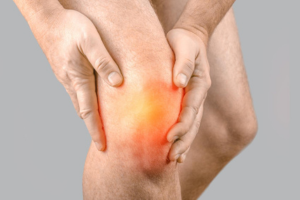
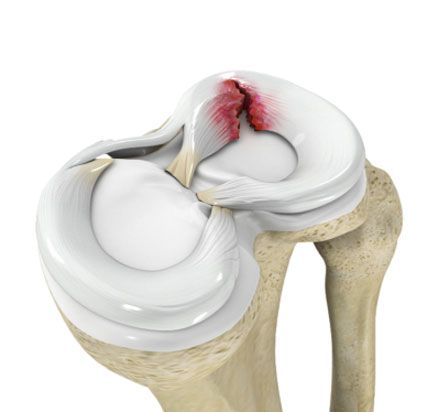
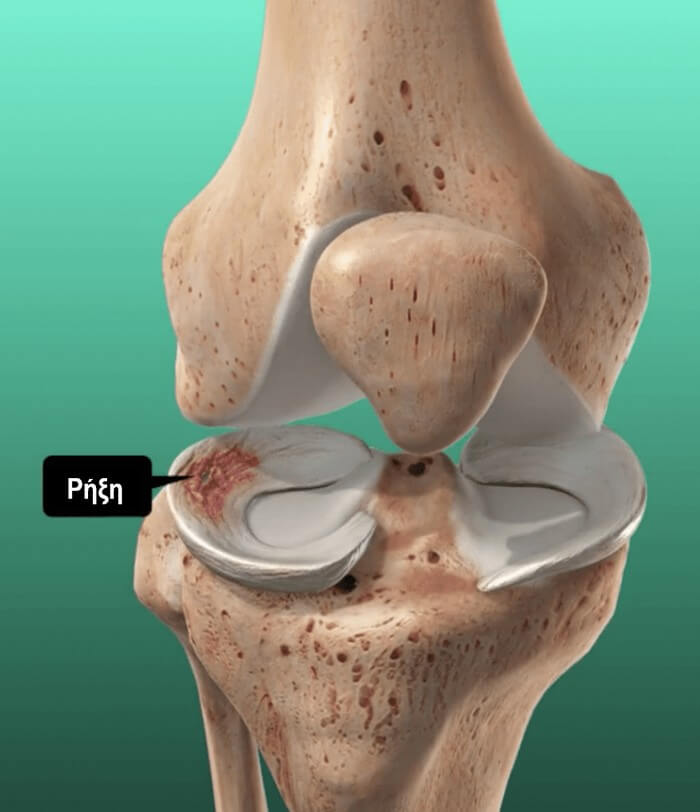
Knee Meniscus Tear – Symptoms, Causes & Treatment
A meniscus tear is one of the most common knee injuries, especially in people who play sports or have suffered an injury from sudden movements or overload.
The menisci are two semicircular cartilages (medial & lateral meniscus) that function as shock absorbers, providing stability and protection to the knee joint.
The damage, if not treated promptly, can limit functionality and lead to premature osteoarthritis.
Correct diagnosis and treatment are crucial for full recovery.
Meniscus treatment begins with the knee as a whole
A meniscal tear reported on MRI does not by itself describe the whole problem. Choosing care connects the finding with symptoms, examination, joint condition and your needs. A recent injury creates a different context from gradually developing discomfort with additional joint wear. The first useful step is understanding what the doctor considers responsible for the difficulty. You can then discuss whether the aim is symptom management, repair of a particular injury or another overall approach to knee care. An operation should not be selected solely from the title of an investigation report without understanding how it relates to your actual function.
Why the meniscus and articular cartilage distinction matters
The menisci and articular cartilage contribute to knee function but are different structures. A treatment for one does not automatically describe treatment of the other. If a report also mentions cartilage damage, ask to see where it is and how it relates to the proposal. The cartilage restoration page explains a different treatment field. You do not need to learn anatomy before deciding, but the problem needs a clear name. This distinction also helps when comparing proposals that use a general word such as cleaning for different procedures. Ask for the actual operation being considered rather than relying on a broad everyday label.
A specific injury or gradually developing symptoms
Explain whether a particular twist, fall or other injury occurred. Mention whether swelling appeared immediately or later and what you could do afterwards. Without a clear injury, describe how walking, stairs or work became difficult. New substantial loss of function, inability to bear weight or a blocked knee after injury needs timely medical assessment. Do not force movements to try to unlock the knee yourself. The history of onset gives the doctor useful information about timing and assessment. Clarify what has changed since the event and whether another injury has occurred, particularly if existing investigations were obtained before the current difficulty.
A click is different from being unable to straighten the knee
Everyday descriptions of symptoms can mean different things. Explain whether there is a sound without limitation, a brief interruption of movement or an inability to straighten the knee. Mention instability, pain in a particular area and swelling too. An accurate account helps more than choosing a medical term that has not been explained to you. The doctor will relate the history to examination. Every sound should not be assumed to establish a surgical indication, nor should every limitation be attributed to the meniscus without assessment of the other structures. Describe what happens in ordinary activities without repeatedly provoking the symptom as a test.
Understand the clinical and imaging assessment
Bring images, reports and information about previous operations and treatments. Ask which meniscus is affected, what characterises the tear and which findings influence management. If another investigation is needed, ask which question it would answer. MRI and clinical examination provide different information and are considered together. A plan should address current function rather than only an earlier image. Mention a new injury or substantial change since the last investigations so the correct timeline is available. The explanation should help you understand why a particular finding is relevant, rather than simply repeat the technical wording of a report.
The main care pathways are not interchangeable
Nonsurgical management, repair and removal of a limited portion of meniscus have different purposes. They are not chosen solely according to which appears quickest. Information should connect each proposal to the tear and the overall state of the knee.
- Care without an operation needs functional goals, a programme and review arrangements.
- Repair requires discussion of tissue preservation and protective rehabilitation requirements.
- Partial meniscectomy needs an explanation of which portion would be removed and why another option is not considered appropriate.
Ask the team to explain the relevant alternatives on the same basis so that their aims and demands can be compared clearly.
Nonsurgical treatment needs a review point
If treatment without surgery is proposed, understand activity adjustments and what physiotherapy is intended to achieve. Managing symptoms is not the same as mechanically stitching a tear, but can be an appropriate part of care in selected situations. Explain commitments that make instructions difficult, such as frequent stairs or prolonged standing. Agree how to contact the team if the course changes. Choosing care without an operation still requires monitoring and assessment of actual function. It does not mean ignoring new symptoms or repeating the same programme indefinitely without discussion. Tell the team which parts of an earlier programme were completed and whether practical difficulties interrupted it.
Meniscal repair and tissue preservation
Whether repair is possible is assessed for the particular tear; a wish to preserve the meniscus does not establish suitability by itself. Ask why repair is considered feasible, which uncertainties remain and what healing requires. Protection after repair can make rehabilitation different from another arthroscopic procedure. Understand the restrictions before deciding. The choice should not rest exclusively on the shortest time away from work or sport. Ask for the intended benefit to the knee alongside the practical time commitment and participation required in rehabilitation. This helps connect a tissue-preserving objective with the day-to-day requirements of the proposed care.
Partial meniscectomy needs a precise description
Cleaning may sound straightforward but needs clarification of the actual procedure. Ask whether it means removing a portion of meniscus, which finding it addresses and which alternatives were considered. A tear does not mean the entire meniscus must be removed. The condition of the rest of the knee also matters for expectations. If arthritis is present, ask separately which symptoms the intervention is intended to influence. Clear information helps avoid the broad expectation that a small operation will resolve every joint problem. The explanation should identify the objective of the proposed procedure and the limits of what it can reasonably address.
When instability or cartilage damage occurs alongside the tear
More than one knee structure can be injured in the same event. If there is an ACL injury or cartilage problem, request an explanation of the overall strategy. Which injuries relate to symptoms, which need treatment and how will instructions afterwards be affected? Rehabilitation after combined procedures is not necessarily the programme used after an isolated partial meniscectomy. Understanding this before treatment also supports communication with the physiotherapist. A general programme should not ignore what was performed or which tissues need protection. Ask how the details of the operation and the restrictions will be passed to the professionals supporting your recovery.
Weight bearing, bending and aids after arthroscopy
Instructions for walking, movement and aids depend on the actual procedure. Knee arthroscopy does not have one universal rehabilitation protocol. Find out what is permitted before leaving the clinic and when this will be reviewed. Discuss stairs at home or difficulty using an aid in advance. Do not transfer instructions from a friend who had a different operation. Protection, movement and strengthening need a shared plan so daily needs can be managed in line with your own rehabilitation. Ask for practical demonstrations where required and make sure you know whom to contact if the instructions are difficult to apply.
Work and sport involve different return goals
Desk work, prolonged standing and a sport involving twisting do not ask the same things of a knee. Describe your duties and travel arrangements. If you participate in sport, explain training, level and movements you want to resume. Within sports medicine care, return is discussed through functional criteria and the requirements of the particular treatment. Pain-free ordinary walking does not provide clearance for every athletic load. Ask who will assess readiness and how a gradual return will be organised. Where possible, raise practical changes to duties or training early, so that a plan reflects actual commitments rather than an assumed activity level.
What a meniscus treatment cost estimate includes
Costs in Athens are discussed after an appropriate plan has been developed. A surgical estimate should distinguish the procedure and any combined interventions. Ask about hospital charges, professional fees, anaesthesia, repair materials where needed and review appointments. Physiotherapy and supports may be calculated separately. Confirm insurance contributions for your own case. A fixed published price would wrongly equate different operations. An itemised proposal helps you understand what is covered and plan for rehabilitation as well as the treatment day. Clarify whether follow-up services are arranged separately and how any change to the agreed procedure could affect the estimate.
Preparation should reflect everyday circumstances
Before a planned procedure, assemble medication, allergy and important health information. Instructions about treatment and preoperative assessment come personally from the responsible team. Organise transport, accompaniment where required and simple needs at home. Explain early if a particular restriction may be difficult because of work or caring responsibilities. Preparation is not identical for everyone and cannot be derived from a general online checklist. Early discussion makes requirements understandable and reduces the chance of discovering afterwards that a practical need has not been considered. Ask which arrangements are essential for the procedure actually proposed rather than assuming they match another patient's experience.
Risks, uncertainty and follow-up
Information includes possible risks and the possibility of continuing symptoms or further assessment. Repair does not guarantee healing, and another procedure does not guarantee identical function for everyone. Ask which symptoms need prompt contact after treatment and keep written instructions available. At review, explain changes in walking, movement and personal activities. If the course differs from the anticipated plan, the next decision requires assessment. Repeating an operation or adding a procedure should not be taken for granted without an explanation of its purpose. Specific notes about daily function help the team understand progress more clearly than a broad impression alone.
Arrange a meniscus assessment in Athens
For assessment with Dr. Stavros Alevrogiannis, use the contact page and confirm the appointment at Metropolitan General, 264 Mesogeion Avenue, Cholargos. Bring investigations and a short symptom history, together with earlier proposals if available. The consultation provides space to explain differences between nonsurgical care, repair and other choices. An appropriate proposal connects diagnosis, treatment, rehabilitation and financial information with your own function. A tear reported on an investigation does not commit you in advance to surgery. Confirm which records are useful before attending, especially if previous treatment or imaging took place at another centre.
Further reading: AAOS: meniscus tears and meniscus repair.
Frequently Asked Questions
What is a meniscus tear?
A meniscus tear is an injury to one of the two cartilages in the knee (the medial or lateral meniscus), which act as shock-absorbing “cushions” between the thigh and shin. It is usually caused by a sudden turn or load on the knee and leads to pain, swelling, and a “locking” feeling.
What are the most common symptoms?
The most common symptoms are:
Pain on the inner or outer side of the knee
Swelling that appears a few hours after the injury
Feeling stuck or “locked in”
Difficulty fully flexing or extending the knee
Instability or inability to support the affected leg
How is a meniscus tear diagnosed?
The diagnosis is based on:
In the clinical examination by a specialized orthopedic surgeon
Magnetic resonance imaging (MRI) , which accurately depicts the location and size of the rupture
If necessary, diagnostic arthroscopy can also be performed.
From discovery to appropriate design
A “meniscus tear” on an MRI does not describe the entire problem. The visit will examine how the symptoms started, the movement and function of the knee. Report any previous injury, swelling or instability, and what activities have been limited.
Knee arthroscopy is a technique used for specific indications; it is not automatically chosen for every tear. In a sports injury, a parallel evaluation for an anterior cruciate tear may be necessary . Sports medicine links treatment to the demands of the sport, while the discussion about rehabilitation also takes into account your work, transportation, and daily needs.
Bring with you any previous tests and instructions you have already received. Ask what the goal of each option is, how progress will be monitored, and what steps will precede a return to demanding movements. This way, the information turns into specific questions for your own case.

THE PATIENT IS AT THE CENTER
Collaboration & Support, Our Basic Principles