Cartilage transplantation and restoration in Athens
Cartilage Transplantation – Treatment of degenerative & traumatic lesions
Cartilage transplantation is a modern surgical method for treating degenerative or traumatic damage to articular cartilage. It belongs to the field of Regenerative Medicine and offers long-term rehabilitation in a minimally invasive manner.
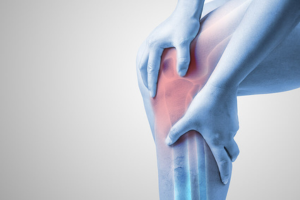
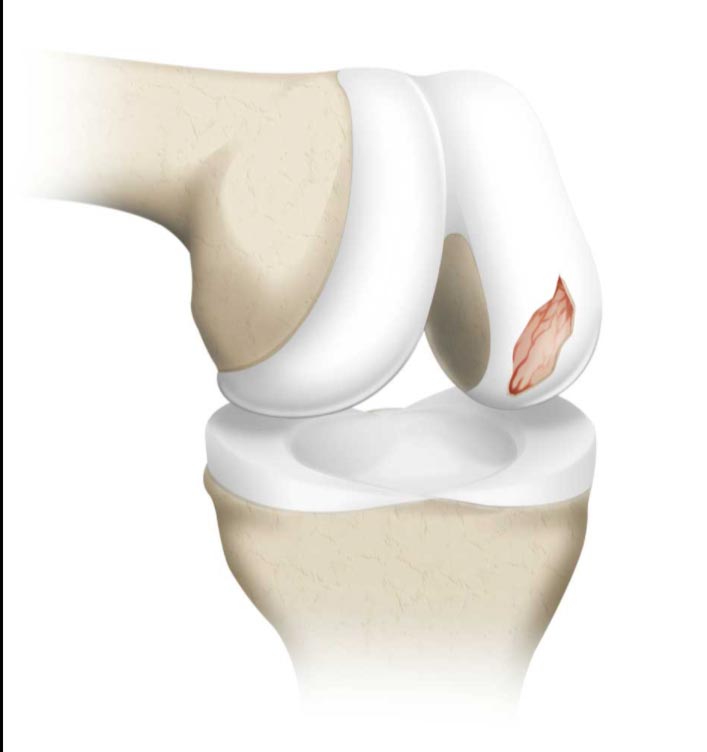
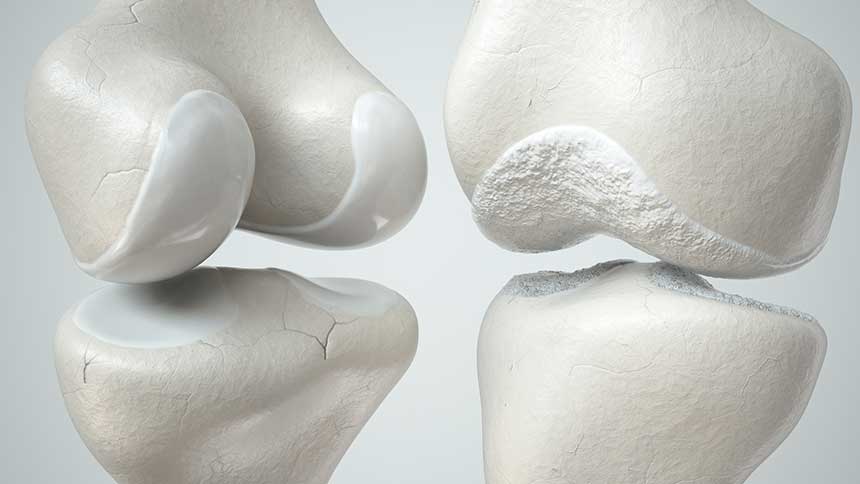
Cartilage damage, especially in the knee, is often caused by overuse, injury, or age-related degeneration. The body’s own ability to heal itself is limited, resulting in pain, swelling, and limited mobility. Cartilage transplantation offers a solution by restoring the joint surface.
Cartilage Transplantation Techniques
The most common methods include:
Chondrocyte transplantation (ACI – Autologous Chondrocyte Implantation)
It is carried out in two stages.
Initially, a diagnostic arthroscopy is performed and healthy chondrocytes are obtained from a non-load-bearing surface.
The cells are cultured in a laboratory (4–6 weeks) and reimplanted arthroscopically, either alone or using a biological membrane.
Mesenchymal stem cell transplantation
Stem cells come from bone marrow or adipose tissue .
They are placed arthroscopically, with or without proliferation, and are combined with biological membranes.
It is often applied together with pieces of autologous cartilage to better stimulate cellular regeneration.
Osteochondral cylindrical graft transplantation (Mosaicplasty / OATS)
Small cylindrical sections of healthy cartilage with bone are taken.
The grafts are placed in the affected area with special tools.
The method is particularly effective in localized lesions.
Benefits of Cartilage Transplantation
Minimally invasive technique with small incisions
Cartilage regeneration with the patient’s own cells
Pain reduction & improved mobility
Return to sports activities
Long-term results in patients with indications
Cartilage transplantation starts with a precise explanation
Cartilage transplantation is a term that needs clarification when it becomes part of a personal treatment discussion. It does not necessarily describe the same technique for every patient or joint. An assessment considers the problem causing symptoms, the characteristics of the defect and the options that might have a place in its management. The aim is not to choose a procedure yourself because its name sounds promising. It is to understand why a particular approach is being suggested or ruled out. An explanation should cover the purpose of treatment, its stages, rehabilitation, uncertainties and how the function of your joint will be assessed afterwards.
Articular cartilage and the meniscus are different structures
Everyday descriptions of a cartilage problem can create confusion about the anatomy involved. Articular cartilage covers the ends of bones within a joint. The meniscus is a different structure in the knee. A meniscal tear and damage to an articular surface do not automatically require the same procedure. Several findings may also occur together. Ask the surgeon to show you which area the diagnosis concerns and which symptoms are thought to relate to it. Naming the problem clearly makes the treatment proposal easier to understand. It also helps avoid comparisons between operations that address different structures and have different objectives.
Describe the difficulty that matters in everyday life
Before the appointment, note when pain occurs, whether the joint swells and which movements limit you. Walking, standing or a particular sporting movement may be the main concern. Explain whether symptoms followed an injury or developed gradually. Changes to your daily activities are useful information even when a previous report uses only a short technical description. The clinical assessment tries to relate these experiences to the joint as a whole. An imaging finding does not necessarily explain every symptom. Equally, joint pain does not by itself establish that cartilage restoration is the right treatment. A clear functional history gives the investigation a more useful context.
What needs assessment before a technique is proposed
The position and extent of a defect, the underlying bone, previous operations and the function of other structures can influence a treatment choice. Examination and appropriate imaging provide different kinds of information. Bring the images as well as their reports, and any available operation notes. Your doctor can explain whether further investigation is needed and what question it would answer. Assessing a focal cartilage defect differs from considering widespread arthritis. If joint replacement has already been discussed, ask which findings support each direction and what each option is intended to achieve. The relevant comparison is the one that fits your diagnosis and circumstances.
Several approaches sit within the cartilage restoration discussion
Available approaches should not be treated as one interchangeable treatment with a single expected outcome. A consultation should identify what is proposed for the particular lesion and why. When more than one method is mentioned, use the same questions to compare them: what is the indication, how many stages are involved, what rehabilitation is required and what remains uncertain? The distinctions below help explain the terminology. They do not determine which procedure an individual should have. That decision needs an assessment of the joint and a discussion of the person's priorities, health and ability to follow the rehabilitation plan.
Tissue and osteochondral graft procedures
Some proposals involve tissue or an osteochondral graft rather than simply injecting a preparation into the joint. The source of the graft and how it will be used in the defect require a specific explanation. Ask whether there is a donor site that will also need to recover and how that affects the overall plan. Requirements differ between methods and cannot be inferred from the word transplantation alone. The explanation should address possible benefits and difficulties for the joint as a whole. Understanding this distinction connects the surgical part of treatment with the practical demands of recovery, including any limitations that need planning before the procedure.
Cellular techniques with a preparation process
Some cellular approaches involve separate collection and implantation stages, with preparation of the material between them. If this is being considered, ask for the whole sequence before comparing time or cost. It is not the same discussion as a general application of autologous cellular material. The word autologous describes an origin; it does not fully describe the composition or intended use of a preparation. Information should concern the particular technique and the evidence relevant to it. Your decision also needs to account for attending the required stages and following the associated monitoring and rehabilitation arrangements.
Scaffolds and membranes within a particular procedure
Cartilage scaffolds or membranes may form part of a particular restoration strategy. Their use does not mean that every material or application works in the same way. Ask which material is proposed, whether it is combined with another component and what role it is intended to play. A general description of regenerative orthopaedics cannot predict an individual's result. Limitations and rehabilitation requirements remain relevant even when a modern biological or synthetic material is used. Understanding what the material contributes also makes it easier to compare complete treatment plans rather than individual product names.
Consider the knee as a whole when injuries coexist
If there is instability, an earlier ligament injury or a meniscal problem, ask how it relates to the cartilage plan. Some associated problems may need consideration within the same overall strategy. The separate page about anterior cruciate ligament injury can help you prepare questions about instability. Describing only the material to be implanted is insufficient if other functional issues remain. Treatment options should be compared in the context of the entire joint. Information about combined procedures matters for personal instructions too, because an additional operation may affect the activities and loading permitted afterwards. A shared plan should explain how these requirements fit together.
Organise treatment stages around real commitments
Find out how many visits or procedures are anticipated and whether there is an interval between stages. Discuss transport, help from another person and time away from particular responsibilities. If you are travelling for assessment, clarify which records can be assembled beforehand and which decisions require an examination. The team needs information about your general health and current medication. Preoperative assessment is arranged for the individual circumstances. Practical preparation is more reliable when it follows the actual proposed plan. Another patient's experience cannot establish that every cartilage procedure will involve the same appointments, restrictions or recovery needs.
Rehabilitation and weight bearing require individual instructions
Protection of the joint after surgery depends on the technique, the position of the defect and any associated procedures. Request clear instructions about weight bearing, movement and walking aids. There is no single rehabilitation programme that describes every patient's course. Tell the team in advance about stairs or other practical constraints at home, so you can discuss how instructions will be followed. Feeling comfortable on a particular day is not sufficient reason to increase loading independently. Progression should be planned and reassessed by the responsible team. You should understand both what you are currently allowed to do and whom to contact if the instructions are difficult to apply.
Returning to work and sport means assessing specific tasks
Describe the demands of your job and the sport you want to resume so that the recovery goal has a clear meaning. Moving around at home is different from prolonged standing, repeated lifting or demanding sporting movements. Physiotherapy and follow-up appointments help assess function and clarify appropriate progression. Ask which criteria will guide a return rather than relying only on a general number of weeks. If a part of the programme cannot be followed, tell the team. Adjusting a plan requires an accurate picture of your needs and difficulties. It is more useful to discuss a specific activity than to assume that all daily and athletic tasks become suitable together.
What contributes to cartilage restoration costs
Cost relates to the technique, the stages and the services required. Ask whether the estimate includes the material or graft, any special preparation, hospital charges, professional fees and follow-up. A procedure involving several stages needs a clear description of each stage. Physiotherapy, aids and other services may be accounted for separately. Public or private insurance contributions must be confirmed for the particular case. An arbitrary universal price would not explain these differences. A detailed proposal helps you understand what treatment includes and which additional expenses to consider. Comparing equivalent plans is more useful than comparing a headline amount that may cover different services.
Discuss safety, uncertainty and how outcomes will be judged
Information should include possible surgical risks and difficulties that could affect the result. Autologous material or a modern membrane does not make recovery predictable for every patient. Ask which problems require prompt contact and what the next step would be if the response is not as expected. Symptom improvement and an anatomical finding do not always describe the same outcome. Have the team explain how the result relevant to you will be assessed. The opportunity to ask questions and understand limitations is an essential part of informed consent. This discussion should happen before committing to a procedure and should leave you with a clear account of the proposed care.
Follow-up keeps the plan connected to your progress
Review appointments allow function to be assessed, difficulties to be discussed and instructions to be adjusted where necessary. Keep notes about specific activities rather than relying only on a broad impression of improvement. If a new symptom develops, follow the contact instructions provided by your team. The need for further assessment or a different approach depends on the findings. Repeating the same procedure should not be assumed to be the inevitable next step. What matters is understandable continuity of care and a clear picture of the next decisions for your joint. Bring questions about rehabilitation and any practical barriers to the planned review.
Prepare an assessment in Athens
To arrange an appointment with Dr. Stavros Alevrogiannis, use the contact details and confirm the meeting at Metropolitan General, 264 Mesogeion Avenue, Cholargos. Bring investigations, previous surgical records and a short account of your functional difficulties. If you have received different proposals, note what each includes so they can be discussed on a common basis. An appointment does not commit you to transplantation. Its purpose is to clarify the diagnosis, explain appropriate options and, where indicated, organise a plan that you can understand and follow. Confirm the appointment details before travelling and ask which records the team would like you to bring.
Further information: AAOS: articular cartilage restoration and NICE: assessment of cellular techniques for knee cartilage defects.
Frequently Asked Questions (FAQ)
What is cartilage transplantation?
Cartilage transplantation is a modern surgical technique of Regenerative Medicine that aims to repair damage to articular cartilage , using the patient’s own cells or tissues, with the aim of reducing pain and improving joint functionality.
In what cases is it indicated?
It is mainly indicated for localized cartilage damage in the knee or other joints, due to injury, overuse or early degeneration, and in patients where conservative treatments have not been effective.
How long does recovery take after cartilage transplantation?
Rehabilitation is gradual and controlled , with a physiotherapy program. Full return to daily activities and sports depends on the method and the patient, but usually ranges from a few months to a year .
Are there any risks or complications in cartilage transplantation?
As with any surgical procedure, there are small risks, however, when the procedure is performed by a specialized surgeon, cartilage transplantation is considered safe with high success rates .
Can cartilage transplantation prevent future joint replacement?
In selected patients, cartilage transplantation can delay or even avoid the need for arthroplasty, preserving the natural joint for more years.
Cartilage restoration based on the overall picture
The choice of a cartilage repair technique is not based solely on the name of the lesion. Its location and extent, the condition of the joint, and the patient's requirements need to be considered. A localized cartilage lesion is not automatically treated in the same way as extensive arthritis.
Discuss the relationship of transplantation to biological scaffolds and membranes and what alternatives correspond to your findings. If there is a concomitant meniscus tear , the evaluation concerns the entire function of the knee. Ask for clear information about the stages of rehabilitation, re-examination and how progress in daily movement will be assessed.

THE PATIENT IS AT THE CENTER
Collaboration & Support, Our Basic Principles