PRP treatment in Athens: assessment and recovery
Activated Platelets (PRP/PRGF) in Orthopedics
Activated Platelets PRP (Platelet Rich Plasma) is one of the most modern and safest methods of rehabilitation of sports injuries and chronic musculoskeletal diseases. PRP (Platelet Rich Plasma) is blood plasma that contains a platelet concentration much higher than the normal value (150,000–350,000/μL).
Scientific research has shown that a platelet concentration of approximately 1,000,000/μL significantly enhances bone, muscle and tendon repair. For this reason, PRP is currently used in orthopedics and sports medicine to speed up injury healing and reduce recovery time.
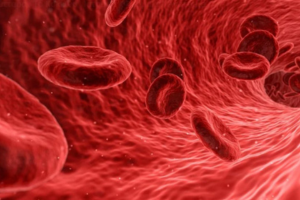
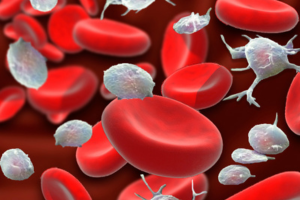
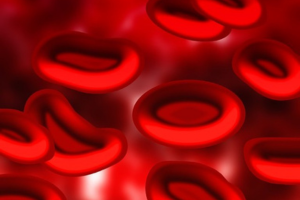
PRP
What does PRP contain?
PRP is not just rich in platelets. It also includes:
Clotting factors
Growth Factors (GFs)
Chemokines
Cytokines
Other plasma proteins
All of the above work together to accelerate the healing process of the musculoskeletal system.
How does PRP work?
The healing process of bones, tendons and muscles is gradual. With PRP injection, platelets and growth factors are concentrated at the site of damage, activating the production of new cells and tissues. Thus:
- inflammation is reduced,
- tissue regeneration is activated,
- recovery is accelerated.
Indications – When is PRP used?
PRP is applied in a variety of orthopedic and sports medicine cases:
Tendon injuries (e.g. Achilles tendon)
Runner ‘s knee
Shoulder rotator cuff tears
Meniscus tears
Cruciate ligament ruptures
Mild forms of arthritis
Soft tissue injuries
Advantages of PRP Therapy
Autologous method (uses your own blood)
Absolutely safe, no risk of rejection
Minimally invasive procedure (injection)
Minimal or no side effects
Faster recovery for athletes
May reduce the need for surgery
PRP in Sports Medicine
The use of PRP is particularly widespread in high-impact sports, where tendon and muscle injuries are common. Its ability to reduce recovery time makes it ideal for athletes who need a quick return to competitive action.
PRP in Athens: begin with the condition being treated
If you are looking into PRP treatment, the first useful step is to clarify which problem you want to address. Discomfort in a knee, shoulder or tendon can have different causes and does not automatically lead to the same treatment. A consultation supported by a clear history helps connect the discussion with actual findings. Explain where the pain occurs, which movements are limited and whether an injury came first. Looking for a less invasive option is understandable. Suitability still depends on diagnosis and on an objective that can reasonably be supported for you, rather than on the treatment name alone.
What the material described as PRP contains
Platelet-rich plasma is prepared from the patient's own blood. Preparation separates components of blood to produce the material that will be used. Platelets are associated with biological factors studied in relation to healing. This broad explanation does not mean that every preparation has the same composition or clinical effect. Ask which protocol is used, what the proposed application is and how it is supported for the particular condition. PRP is not the same as stem cells and should not be presented as though it were the same material. A clear explanation of the preparation helps establish what is actually being proposed before discussing practical arrangements.
Why protocol names alone do not make proposals comparable
Platelet concentration, other characteristics of a preparation and the method of administration can vary. Information should connect these differences with the actual plan without expecting a patient to become an expert in preparation technology. A concentration figure alone cannot predict an outcome. When comparing proposals, ask for the clinical indication, number of applications, follow-up and rehabilitation to be described. This gives the decision a clearer basis than a general comparison between services that all use the label PRP. It also helps you understand whether the proposals are addressing the same problem and include similar practical requirements and monitoring.
Tendon pain and pain arising from a joint
The location and pattern of symptoms provide useful information, but do not establish a personal diagnosis. A tendon problem raises different questions from a joint lesion. Examination considers movement, function and available findings to clarify which tissue may be contributing to the problem. If pain appears during a particular exercise or work task, describe that activity in detail. The choice of intervention should be accompanied by a plan for managing those demands. An injection alone does not explain how you will return to repetitive loading or demanding use of the limb. The wider functional plan matters alongside the procedure being considered.
When the discussion concerns knee osteoarthritis
For osteoarthritis, PRP is discussed within the wider management plan and in relation to the knee's functional condition. Information should clarify the intended effect on symptoms and the uncertainty that remains. Improvement in pain is not identical to reversing every structural change. Relevant NICE guidance identifies limitations in the quality of efficacy evidence and emphasizes appropriate information and assessment. Comparison with other options needs to concern your own circumstances. If knee replacement is also being discussed, ask why each direction is being considered and what its objective is. The distinction helps prevent a general treatment label from replacing an individual explanation.
The relationship with physiotherapy and other interventions
Treatment should fit into a plan that considers everyday loading, exercise and previous attempts to manage the problem. Ask whether physiotherapy will continue, whether any activity needs adjustment and how an increase in intensity will be assessed. A rotator cuff tear or another structural problem needs its own evaluation. Having a biological option available does not remove every other care requirement. Rehabilitation connects a medical procedure with the function you want to regain. Understanding that connection is particularly useful if your work, sport or responsibilities at home repeatedly load the affected area and make changes to activity difficult.
What to mention before blood collection and treatment
Provide a complete medication list, including medicines you take only occasionally. Mention allergies, recent health problems and earlier reactions to procedures. Instructions about changing or continuing medication should come from the clinician responsible for your care. Following a general online suggestion to stop medication before PRP is not an appropriate substitute. Also discuss whether you will need a companion or changes to work on the treatment day. Preparation depends on the body area, the procedure and your general condition, not simply on the fact that blood is collected. Raise any practical difficulty early enough for it to be considered in the plan.
Understanding the procedure without a promise of no discomfort
Before a date is arranged, you should understand collection, preparation and administration. Ask where treatment will take place, who performs it and which instructions you will receive afterwards. Sensations and discomfort vary between people and body areas. Explaining how possible discomfort will be managed is more useful than an absolute assurance that nobody will experience pain. Mention a fear of blood tests or a difficult previous injection. This allows the team to explain the practical arrangements and understand what is relevant to you. It also gives you an opportunity to clarify the procedure before attending on the day.
Recovery after PRP: advice for your actual activities
The plan after treatment should refer to movements you really perform. Walking, desk work, standing and training have different demands. If you play sport, describe the activity and the load placed on the affected area. Ask when readiness to increase activity will be reviewed and which changes should be reported. An instruction to return immediately is not specific enough for every situation. Advice should reflect the diagnosis and any accompanying intervention, especially when PRP is used alongside surgery. Knowing these arrangements beforehand helps you consider work, travel and support requirements as part of deciding whether the proposed plan is practical.
Monitoring response with understandable criteria
You can agree with the team how progress will be described. For example, identify a movement or task that was difficult before treatment and how it will be reassessed. Monitoring should not depend only on the impression of the first day. Ask when response will be discussed and when the plan might need adjustment. If the result is not as hoped, another application is not automatically the next step. The possible explanations, suitability of continuing and other appropriate options should be considered first. The plan needs to stay connected to your actual limitations and the objective that prompted you to seek care.
PRP costs and what an estimate should include
Financial information needs to describe the particular protocol. Ask whether the medical assessment, preparation materials, treatment and planned reviews are included. If several visits are envisaged, clarify their number and the reason for that proposal. Any additional guidance or associated procedure should be explained separately when recommended. Physiotherapy or other services may be organized independently. No fixed price or unverified price range is presented for every patient. Cost comparisons become meaningful when you know whether proposals cover equivalent care and which follow-up steps they include. An itemized explanation helps identify questions that should be settled before making practical arrangements.
Autologous origin does not remove every adverse effect
Using material from the patient can create an impression that risks do not need discussion. Blood collection and injection remain medical procedures requiring proper information. Ask about possible discomfort, local reactions and other problems that may require assessment. Find out whom to contact if symptoms do not follow the course explained in your instructions. A responsible description of the method includes its limitations. The decision should be supported by an understandable account of potential benefit, burden and uncertainty, rather than resting on a word such as natural. Make sure you also understand the contact arrangements before you leave the treatment setting.
Different biological treatments raise different questions
If you have heard about PRP, autologous stem cells or biological scaffolds, ask for the differences to be explained. They do not form a simple scale from a weaker treatment to a stronger one. The appropriate choice depends on the problem and the role of each intervention. The general biological therapies section can help structure the comparison. You can request another explanation or time to understand a proposal. The aim is a decision based on a clear picture of your condition, without assuming that a technical term guarantees the outcome you want.
Arranging a consultation with your previous investigations
For an Athens assessment, use the contact page and confirm the appointment at Metropolitan General, 264 Mesogeion Avenue, Cholargos. Bring available investigations, a medication list and a short account of previous interventions. Note the activities you hope to regain and any practical constraints involving work or travel. You do not need to arrive having already decided on PRP. The first meeting provides an opportunity to assess whether there is a suitable indication and to discuss a plan with clear next steps. Useful preparation helps the consultation focus on your diagnosis, available options and the reasoning behind any recommendation.
Further information: AAOS: platelet-rich plasma and NICE: PRP for knee osteoarthritis.
Frequently Asked Questions (FAQ)
What are activated platelets (PRP)?
It is the part of the blood that has a high concentration of platelets and growth factors, which enhances the healing of injuries.
Is PRP treatment safe?
Yes, because your own blood is used. There are no rejection reactions and the side effects are minimal.
How long does it take to see results?
Improvement usually begins within a few weeks and continues for months, depending on the damage and the body’s response.
Can it replace surgery?
In many cases, it delays or prevents the need for surgery, especially in early stages of damage.
PRP: a different discussion for each indication
Activated platelets are one of the biological approaches in orthopedics . The discussion about PRP starts with the exact diagnosis and the goal of the treatment. Applications in tendons and joints do not all have the same documentation or the same monitoring plan.
At the visit, mention previous treatments and ask how the response will be assessed, what activities will follow, and what alternatives are available. For exercise-related injuries, a sports medicine evaluation helps to link the choice of intervention to function and return to sport. PRP is different from cellular therapies and does not describe every biologic injection.

THE PATIENT IS AT THE CENTER
Collaboration & Support, Our Basic Principles