Cartilage scaffolds and membranes in Athens
Membranes – Scaffolds in the Repair of Cartilage Damage
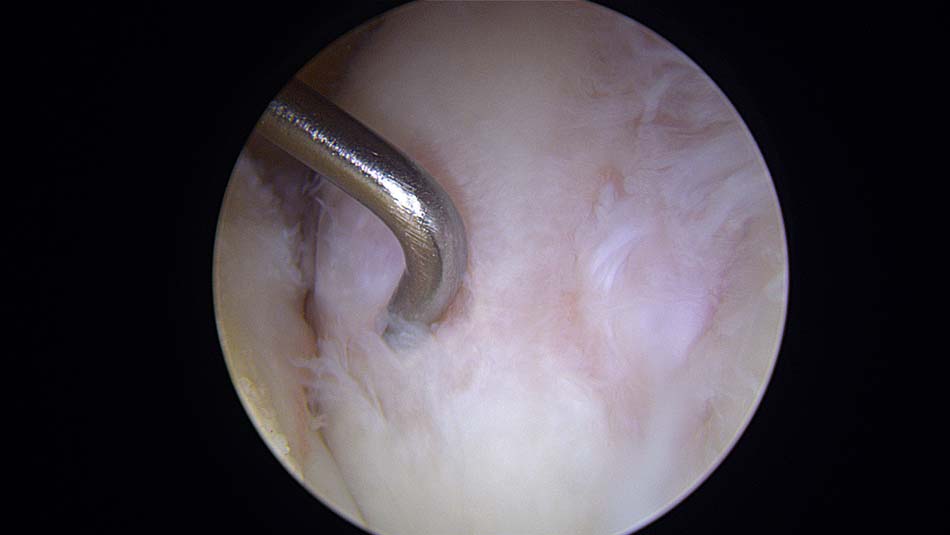
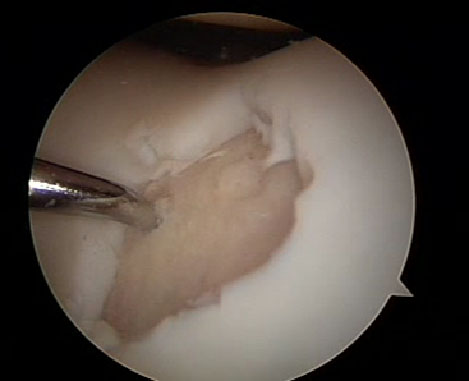
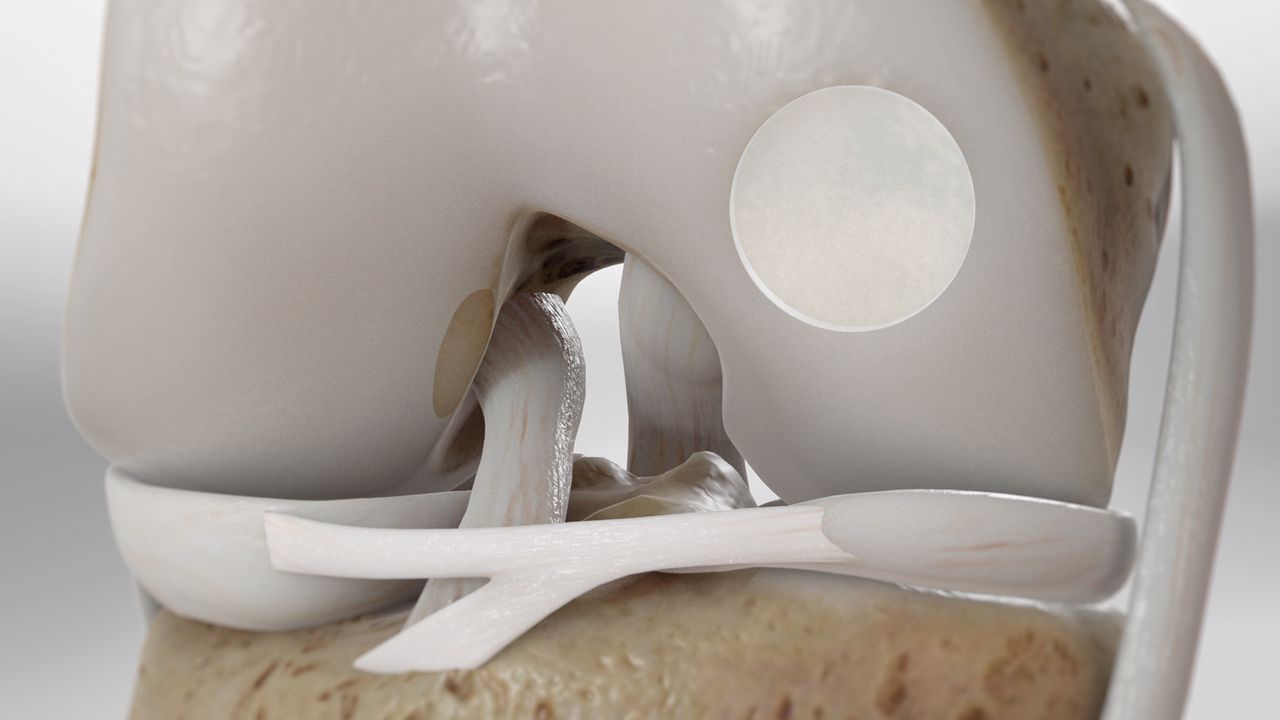
Biological and synthetic membranes (scaffolds) are one of the most modern methods of tissue engineering for the repair of large cartilage lesions in joints. These membranes function as a substrate on which cultured cells are placed before their implantation into the lesion.
In this way, they offer stability, protection and the appropriate environment for cells to adhere to the area and activate the process of regenerating new articular cartilage .
What are Membranes – Scaffolds?
Membranes are special biological or synthetic structures that are placed in the area of the lesion. Their role is threefold:
act as a stable substrate for cultured cells,
ensure that cells are not lost in the synovial fluid,
are enriched with growth factors that stimulate tissue regeneration.
Advantages of Using Membranes
Stable cell adhesion to the lesion
Protection of cultured cells from synovial fluid
Stimulation of production of new articular cartilage
Combined with techniques such as microfractures
High biocompatibility and safety
Biodegradable Membranes – Scaffolds
Most membranes used today are biodegradable . This means that they are gradually absorbed by the body, while at the same time acting as temporary scaffolds that support the initial phase of cartilage reconstruction .
As they break down, they leave behind a stable and healthy environment for the growth of new tissue.
Indications for Use
Scaffolding membranes are mainly used in:
Large cartilage lesions of the knee, hip or shoulder
Extensive joint injuries
Chronic injuries where conservative treatment is not sufficient
In combination with other biological therapies (stem cells, PRP )
Regenerative Orthopedics in Practice
In clinical practice, membranes are part of modern regenerative orthopedic protocols, where they are combined with autologous stem cells and other biological therapy techniques. The goal is to achieve:
restoration of joint functionality,
pain reduction,
delay or avoidance of arthroplasty .
Advantages of Using Membranes
The scaffold's role within cartilage restoration
A scaffold or membrane is discussed as part of a particular technique for a cartilage lesion. It is not a general solution selected simply because a joint is painful. You need to understand the material's intended function within the proposed plan and which other steps are required. Different techniques may use different materials, with or without a cellular component. A biological membrane label therefore does not summarize the procedure. A useful explanation connects the material with the location and characteristics of the lesion, the alternatives and the rehabilitation that follows. Those details make it possible to discuss the actual proposal rather than a broad treatment category.
A localized cartilage lesion and more widespread joint wear
A localized defect in a joint surface and a joint affected by extensive degenerative changes raise different treatment questions. That distinction matters before selecting a restoration technique. Ask whether the problem concerns a particular area or several parts of the joint and how it relates to your symptoms. The word chondropathy on a report does not establish that a membrane is appropriate. The cartilage restoration section adds context about the available approaches. Choice of treatment requires individual assessment and a clear description of the intended result. Understanding why a technique is being considered is more useful than choosing a material before the clinical picture is clear.
Symptoms in relation to joint function
Pain, swelling, restricted movement or discomfort during a particular load require appropriate assessment. These symptoms do not prove that cartilage is the only cause. Mention an earlier injury, a feeling of instability and any movements that have changed. For an athlete, changing direction may be important; for another person, stairs or standing at work may be the main concern. Real daily demands help explain the functional significance of findings. A plan should address the problem limiting you, rather than an imaging description without clinical context. Bringing specific examples also helps establish which functional objectives should guide the discussion and later review.
Which lesion characteristics need explanation
Location, size, depth, the underlying bone and other joint structures may all matter when discussing a lesion. Ask which findings are clear and which require further assessment. Bring the actual investigation images as well as written reports. An operation note from a previous procedure can also be useful. Information should not burden you with unexplained measurements. It should show how the findings influence the choice and why a technique is considered more or less appropriate for your case. If a term is unfamiliar, ask what it means for the decision, the expected procedure and the practical recovery requirements you would need to follow.
Procedures involving one or several stages
Some restoration approaches may involve several stages, while others are organized differently. Materials do not all have the same preparation or implantation process. Before agreeing, ask for the expected appointments and procedures to be described, including any intervening preparation outside the operating theatre. This is relevant to recovery, the time you need to allow and financial information. Knowing a general treatment name does not tell you how many stages are needed. The specific plan should be explained before practical arrangements are made, with an opportunity for questions. Clarifying the sequence can also help your companion understand where support may be needed.
Membranes, cells and other techniques are not interchangeable
Use of a supporting material does not mean that every application includes the same cells or combination of interventions. If autologous cellular material is discussed, ask about its source and role in the proposed technique. A different restoration method needs its own explanation. Comparison should not be based on which name sounds more advanced. It should address the indication, evidence, requirements and possible difficulties. Explaining each component helps you understand what the proposal actually includes and what cannot be promised. It also makes the relationship between a particular material and the wider care plan easier to discuss in practical terms.
The rest of the knee may influence the decision
A cartilage lesion is assessed within the joint as a whole. Previous meniscus damage, instability or other functional problems may require separate discussion. Their treatment and cartilage restoration should not be presented as unrelated issues when they coexist. The pages about meniscus tears and anterior cruciate ligament tears provide related information. At your consultation, establish whether one procedure or a combined approach is proposed. The answer affects weight-bearing instructions, work arrangements and how readiness for everyday activity will be assessed. A combined plan needs to make clear which part addresses each problem and which instructions determine the rehabilitation programme.
Material characteristics and safety
Whether a material is biological, synthetic or biodegradable is one part of the explanation, rather than a guarantee of success or absence of risk. Ask which material is proposed and why it is selected. Possible reactions, surgical risks and problems that could affect progress should be discussed. Gradual absorption of a material, when applicable, does not remove the need for follow-up. Information should refer to the particular product and procedure in terms you can understand. If something remains unclear, it is better to resolve it before deciding. The aim is an informed view of the actual proposal, including its limitations and relevant uncertainties.
Previous surgery and preoperative assessment
Mention every previous intervention involving the joint, even if it happened years ago or was described as minor. Operation records and older investigations may help explain the present situation. The team also needs a medication list and information about your general health. If surgery is recommended, the necessary checks and medication instructions are individualized. Do not transfer instructions from a different operation to this procedure yourself. Preparation should reflect the specific plan and any other aspects of your health that require coordination. Bringing the relevant records early can make it easier to identify which information is still needed before arrangements are finalized.
Functional goals need a realistic description
Before proceeding, explain which activity you want to regain and how important it is to you. Comfortable walking, work and return to a demanding sport describe different objectives. Ask what can reasonably be assessed for each and which uncertainties remain. A restoration technique does not mean that a joint will necessarily be identical to how it was before every injury. Expected benefit needs personal context. This discussion also helps later review by providing clearer reference points for functional progress. Agreeing the objectives beforehand makes it easier to understand both the proposal and the reasons for any later adjustment to rehabilitation.
Organizing your home before rehabilitation
If the plan involves restricted weight bearing or walking aids, you need to be able to follow it in practice. Discuss the layout of your home, access to the bathroom and bed, and any stairs. Consider who can help with transport, shopping and review appointments. If practical circumstances make the instructions difficult, tell the team before a date is arranged. Time away from work and support from a companion should reflect the operation's actual requirements. It is not helpful to schedule a procedure while assuming that every daily responsibility can continue unchanged. Identifying these issues beforehand allows more realistic planning.
Weight bearing and movement after the procedure
Instructions after cartilage restoration depend on lesion location, technique and any accompanying procedures. There is no single programme suitable for everyone. Find out which movements are permitted, what the weight-bearing instructions are and how progression will be assessed. Any recommended device or aid requires a clear explanation of its use. Lack of severe pain is not, by itself, permission to change the programme. If an instruction cannot be followed at home, ask the team for help rather than adapting it without discussion. Advice should remain connected to the actual procedure and the practical requirements of protecting your recovery.
Physiotherapy with clear review points
Physiotherapy is organized in relation to the operative instructions and development of function. Ask who will communicate the plan to the physiotherapist and which features need monitoring. Increasing activity should be based on agreed criteria, not only on a wish to return quickly. If you play sport, its demands need discussion before a return is planned. Everyday mobility and repeated sporting load are different requirements. Rehabilitation involves guidance, assessment and adaptation when practical difficulties arise. Keeping the relevant clinicians informed about what is happening at home or during exercises can make review more useful and help clarify what should happen next.
Material costs and the overall cost of care
A material's price does not necessarily describe the total cost of treatment. Financial information should identify the required procedures, hospital charges, professional fees, material, possible preparation stages and follow-up. If several stages are involved, request a separate explanation for each. Physiotherapy and walking aids may need independent consideration. Insurance coverage should be confirmed for the specific plan. No universal price is published here that ignores these differences. An itemized estimate helps you organize commitments and compare equivalent proposals. It also makes it easier to identify any additional expenses that need clarification before you commit to the practical arrangements.
Follow-up and the next decisions
Before discharge, establish when and how review will take place and which symptoms require contact. Follow your individual instructions about wound changes, swelling, fever or pain that concerns you. Function and response are assessed over time, and the plan may need adjustment. If progress is not as hoped, the cause needs consideration rather than an assumption that another procedure is automatically required. Information about possible alternatives is part of continuing care. It helps maintain a clear understanding of the joint's progress and gives you an opportunity to discuss ongoing limitations, practical difficulties and questions about subsequent activity.
Assessment of a cartilage lesion in Athens
To arrange a consultation with Dr. Stavros Alevrogiannis, use the contact page and confirm the appointment at Metropolitan General, 264 Mesogeion Avenue, Cholargos. Bring older and recent investigations, operation notes and a description of the course of your symptoms. Mention the work or sporting requirements that matter most to you. You do not need to select a membrane or technique in advance. Assessment provides an opportunity to explain whether there is a suitable indication, which options deserve comparison and what practical preparation is required. Understandable information is the first step towards a workable, individual plan of care.
Additional reading: AAOS: articular cartilage restoration and NICE: scaffold-based cartilage restoration techniques.
Frequently Asked Questions
What are scaffolds in regenerative orthopedics?
They are biological or synthetic membranes that provide a stable substrate for cultured cells and enhance cartilage regeneration.
Are membranes safe?
Yes, most are biodegradable and are absorbed gradually, without complications.
In what cases do they apply?
In large cartilage lesions and in chronic diseases where conservative treatment is not effective.
Cartilage damage guides the choice
Scaffolds and membranes are discussed in the context of specific techniques for cartilage lesions. In the evaluation, it is important to clarify where the lesion is located, how extensive it is, and whether there are other problems in the joint. The treatment of a localized lesion is different from the care of a joint with generalized wear.
The cartilage transplant page provides additional information on available approaches. If a combination with autologous stem cells is being discussed , ask for an explanation of what each stage offers and what data supports it. The rehabilitation plan and follow-up are part of the decision and need to be individualized.

THE PATIENT IS AT THE CENTER
Collaboration & Support, Our Basic Principles